Residency
General Surgery
The General Surgery Residency at Penn State Health Milton S. Hershey Medical Center is an ACGME-accredited program that admits five residents per year and consists of five years of clinical training and two years of dedicated research.
The Penn State General Surgery Residency Program offers a comprehensive training experience designed to prepare residents for successful careers in surgery. Our ACGME-accredited categorical program accepts up to five residents per year and includes five years of clinical training and two years of dedicated research.
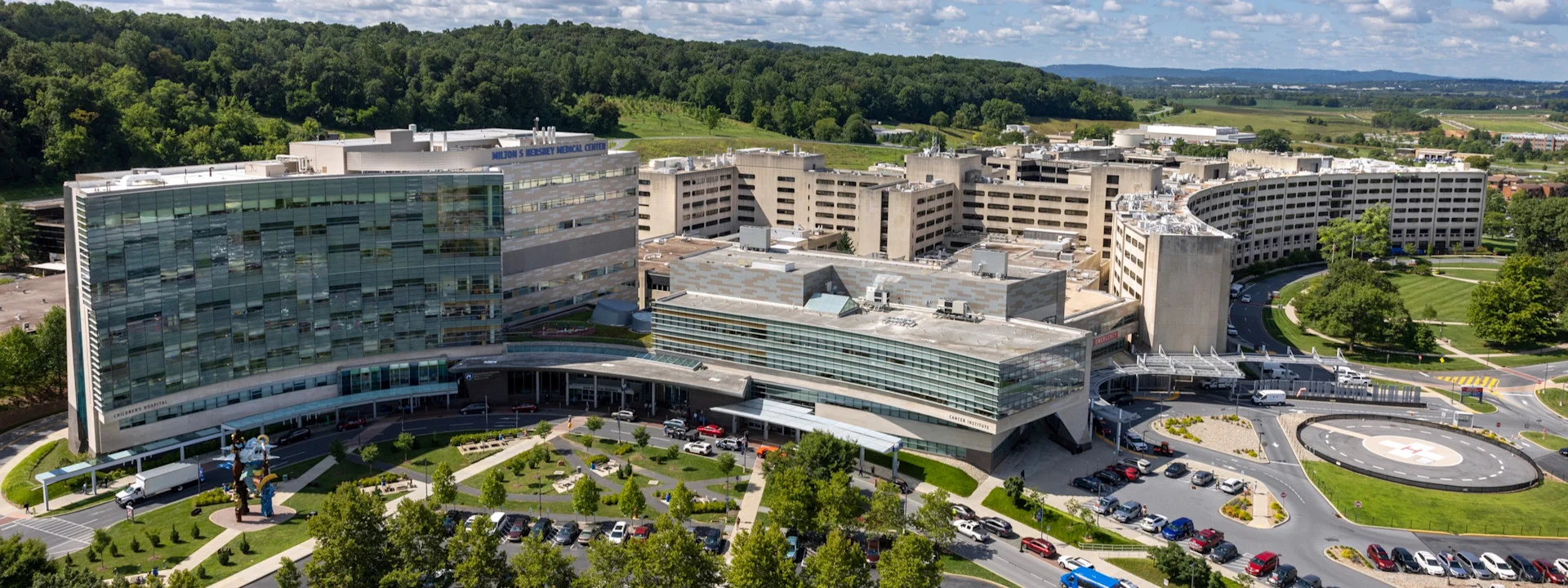
Residents train across diverse clinical settings, including Penn State Health Milton S. Hershey Medical Center and Penn State Children’s Hospital, with exposure to the full spectrum of general surgery—from community-based care to complex surgical care at a quaternary referral center and Level I Trauma Center.
Through progressive clinical responsibility, dedicated research, hands-on education, mentorship, and a strong emphasis on resident well-being, our program prepares residents to become confident, skilled, and compassionate surgeons ready to pursue fellowship training, academic surgery, private practice, or other career paths.
Program Overview
Through rotations at Penn State Health Milton S. Hershey Medical Center, Penn State Health Golisano Children’s Hospital, Hampden Medical Center, Lancaster Medical Center and UPMC Pinnacle Community Osteopathic, residents are exposed to the entire spectrum of general surgery, from a community hospital setting to a large quaternary referral and Level I Trauma Center.
Learn More about the Residency
The Penn State General Surgery Residency Program provides a comprehensive training experience that combines high-volume clinical care, progressive operative responsibility, dedicated research, simulation-based education, mentorship, and resident well-being. Our goal is to develop surgeons who are clinically confident, technically skilled, compassionate, and prepared to pursue the career path that best aligns with their interests.
Residents train primarily at Penn State Health Milton S. Hershey Medical Center and Penn State Children’s Hospital, gaining experience across the full spectrum of general surgery. As a quaternary referral center and Level I Trauma Center, Hershey Medical Center provides exposure to both routine surgical care and highly complex patients referred from throughout the region. The first two clinical years focus on building a strong foundation in general surgery and the surgical subspecialties. Following dedicated research time, residents return for PGY-3 through PGY-5, where they assume progressively greater responsibility and gain advanced experience in trauma and acute care surgery, surgical oncology, endocrine surgery, minimally invasive surgery, vascular surgery, colorectal surgery, pediatric surgery, and general surgery. Military residents also have the opportunity to complete their burn surgery rotation at Thomas Jefferson University Hospital in Philadelphia, providing additional exposure to the evaluation and management of patients with complex burn injuries.
All residents are required to complete two years of dedicated research following PGY-2. Residents may apply for an exemption from this requirement; however, exemptions are not guaranteed and are considered on a case-by-case basis. All exemption requests are reviewed by program leadership before a final decision will be made. During dedicated research time, residents may pursue scholarly and professional development in areas such as basic science research, surgical education, and health care delivery and outcomes research. These experiences are designed to support residents’ individual academic interests and career goals while providing opportunities to develop research skills, contribute to meaningful scholarship, present their work, and collaborate with faculty mentors.
Education is at the heart of our program. Residents participate in protected weekly didactic conferences, specialty-specific teaching sessions, small-group learning, hands-on skills sessions, and individualized mentorship. Our Clinical Simulation Center provides extensive opportunities for technical and team-based training, including laparoscopic and endoscopic simulation, biologic and inanimate tissue training, and crisis resource management. The center is a Level I American College of Surgeons Accredited Education Institute and an approved Fundamentals of Laparoscopic Surgery (FLS) and Fundamentals of Endoscopic Surgery (FES) testing site. Our curriculum extends beyond clinical and technical skills to include topics such as ethics, leadership, professional development, and residents-as-teachers. Together, these experiences prepare residents to become not only skilled surgeons, but also effective educators, leaders, and lifelong learners.
Residents receive mentorship throughout training to support their clinical, academic, and professional development. Whether a resident’s goals include fellowship training, academic surgery, private practice, surgical education, research, or another career path, faculty mentors help residents identify opportunities and develop experiences aligned with their interests. Through progressive responsibility and exposure to a broad range of surgical specialties, residents develop the clinical judgment, technical ability, and confidence necessary to transition successfully to fellowship or independent practice.
We believe excellent surgeons are developed in an environment where residents feel supported, valued, and connected. Resident wellness is an intentional part of our program, with opportunities designed to promote connection, camaraderie, and well-being throughout training. Our Wellness Committee organizes events and activities throughout the year that allow residents to step outside of the clinical environment, spend time together, and strengthen relationships across classes. The program also prioritizes mentorship, open communication, and a strong sense of community. Residents are encouraged to share feedback, raise concerns, and actively participate in the continued growth of the program. We strive to foster an environment where residents know their perspectives are valued, their voices are heard, and their well-being is an important part of their training experience.
Military Match
Applicants participating in the Military Match should apply directly to the Penn State General Surgery Residency Program by emailing GenSurgResidency@pennstatehealth.psu.edu. All application materials and Military Match inquiries should be directed to this program email. Please do not send application materials or interview inquiries directly to the program coordinators, Program Director, or Associate Program Directors.
Applicants should submit the following materials for consideration:
Curriculum vitae (CV)
USMLE Step 1 and Step 2 scores or COMLEX Level 1 and Level 2 scores
Unofficial medical school transcript
Personal statement
Military Match interviews are typically held in October. Interview dates are generally finalized in late August, and selected applicants can expect to receive interview invitations beginning around mid-September. Applicants do not need to contact the program regarding interview availability or the status of their application before invitations are released. All applicants selected to interview will be contacted directly by the program once the interview schedule has been finalized.
NRMP Match
The Penn State General Surgery Residency Program participates in the National Resident Matching Program (NRMP) and accepts applications through the Electronic Residency Application Service (ERAS).
The program follows the current application and recruitment recommendations established by the Association of Program Directors in Surgery (APDS) Recruitment Committee, including recommendations regarding the timing and distribution of interview invitations. Applicants are encouraged to review the APDS General Surgery Application and Interview Recommendations for the most current recruitment-cycle guidance. Interview invitations are released in accordance with the current APDS-recommended timeline. This approach allows the program to remain aligned with national recruitment recommendations, which may change from one application cycle to the next. The APDS currently recommends that programs release only as many invitations as they have available interview positions and provide applicants adequate time to respond to an invitation.
Interview Day
General Surgery Residency interviews are conducted virtually through Thalamus and are typically held during November and December. Applicants invited to interview will also have the opportunity to participate in an informal virtual resident mingle the evening before their scheduled interview day from about 7pm-9pm. These gatherings provide applicants with an opportunity to speak with current residents, ask questions, and learn more about the resident experience in a relaxed setting. Applicants will be assigned to the resident mingle through Thalamus, where the appropriate Zoom link and additional details will be available.
The program is committed to providing a consistent, transparent, and equitable interview experience for all applicants in accordance with national recruitment best practices. The APDS Recruitment Committee recommends equitable opportunities for invited applicants, uniform evaluation processes, transparency, and strategies to mitigate bias during interviews.
There are several services on which residents rotate during the five clinical years, all with multiple attendings.
The vascular service; there is also a Vascular Surgery Residency.
The surgical oncology service.
The minimally invasive/bariatric surgery service, which includes more advanced laparoscopic procedures and which also supports a Minimally Invasive and Bariatric Surgery Fellowship.
The trauma, acute care and critical care surgery service, which accepts all trauma and acute care surgical patients. This group also supports a Trauma and Acute Care Surgery Fellowship and a Surgical Critical Care Fellowship.
The thoracic surgery service, which supports a Thoracic Surgery Fellowship.
The pediatric surgery service, which is busy and active, serving all of mid-state Pennsylvania.
The general surgery/endocrine service.
The colon and rectal surgery service, which supports a Colon and Rectal Surgery Residency.
Leadership
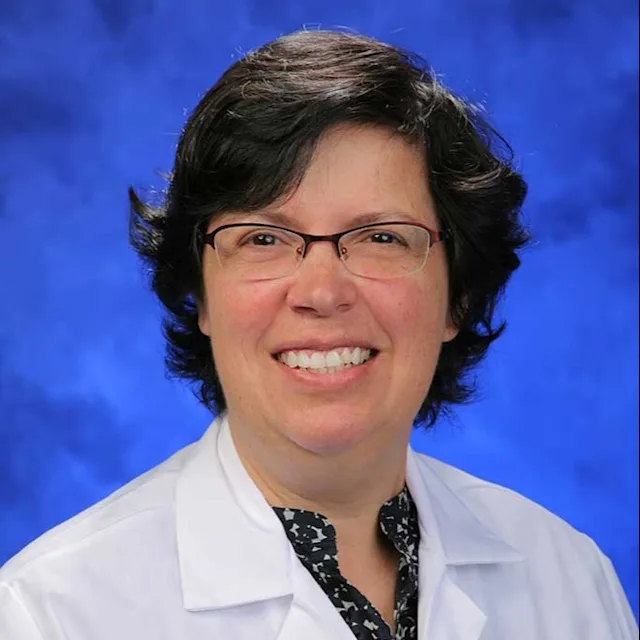
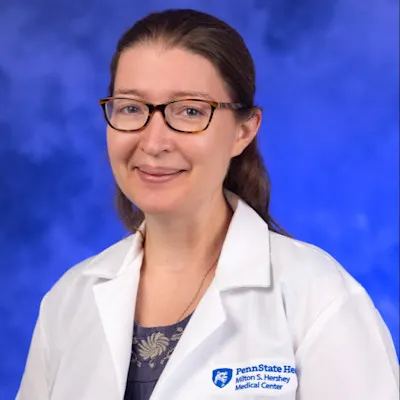
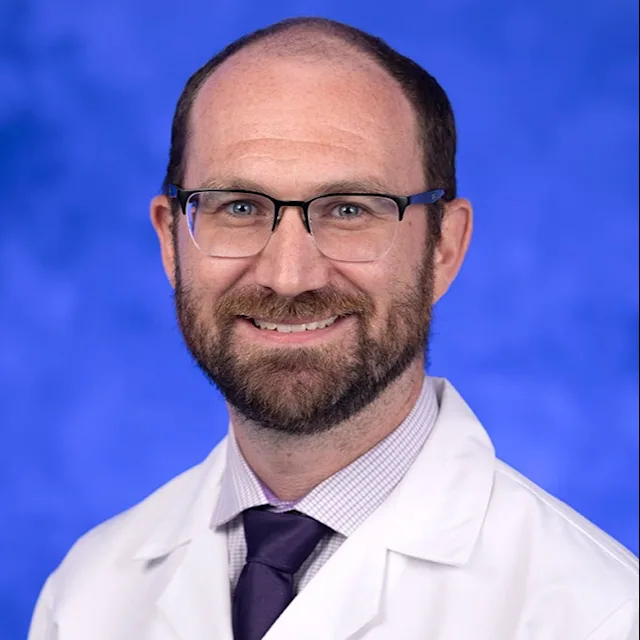
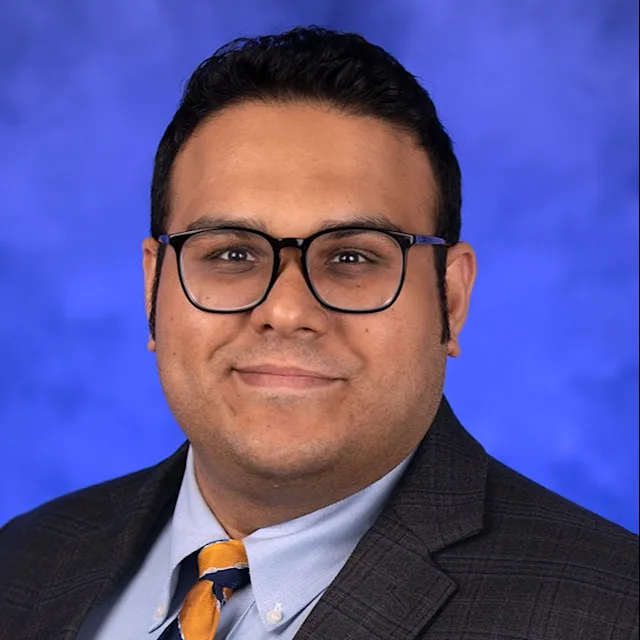
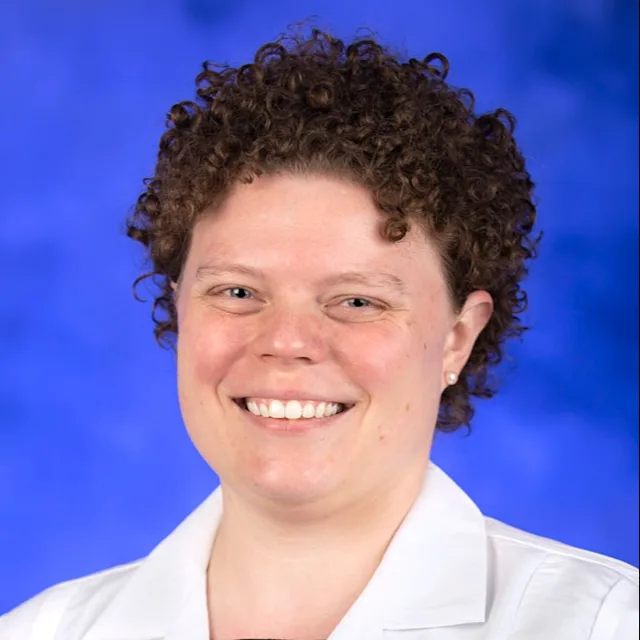
Elizabeth Sodomin, MD
Minimally Invasive Bariatric Surgeon, Surgery

Mikayla Harris, MEd
Program Coordinator, General Surgery Residency, Surgery

Lexie Kolanjian, BA
Program Coordinator, General Surgery Residency, Surgery
Supporting Your Training
Curriculum Details
Overall Training Program
The General Surgery Residency is structured to provide residents with graduated responsibilities in the primary components of general surgery over five years of training. Each year is constructed to build on the experiences of the preceding level.
The core curriculum in general surgery is designed to provide residents with a strong knowledge base in the fundamentals of diagnosis and treatment of surgical diseases. The overall schedule is structured on SCORE (Surgical Council on Resident Education) and is on a two-year cycle. The curriculum is highly integrated with didactic sessions, case-based learning lectures, surgical techniques and skills sessions. Skills based learning occurs in both dry and wet lab settings. ABSITE preparation is supplemented with a subscription to TrueLearn.
Three hours of protected time every Thursday morning are devoted to education with dedicated intern education every Tuesday morning. Each Thursday morning generally consists of a one-hour lecture on a SCORE-based topic. The subsequent two hours may then be spent in case-based learning, small group seminars and simulation skills sessions.
The overall objective is to develop residents through in-depth experience in managing surgical patients in a variety of situations and disciplines while developing basic surgical technical skills.
First and Second Years
The first and second years of the General Surgery Residency are designed to provide the individual with the experience necessary to develop a foundation in the core components of general surgery and the surgery subspecialties.
The first-year resident has primary responsibility for directing the pre-and postoperative care of patients in the inpatient and outpatient settings under the direct supervision of a senior resident and attending surgeon. These responsibilities include history and physical examinations, daily management of inpatient service and participation in approved-level surgical presentations.
Throughout the year, there are also separate intern didactic and skills sessions to allow the first-year residents to further develop and practice basic surgical techniques and procedures.
The second year builds on these experiences while introducing the responsibilities of surgical consultation.
Third through Fifth Years
In the third through fifth years, the focus transitions to increasing operative skills and service leadership. Protected time on Thursday mornings includes mock oral examinations, descriptions of more complex operations and pathologies, and teaching junior residents.
Penn State Health, Penn State Health Milton S. Hershey Medical Center and Penn State Children's Hospital
Learn more about the health system and hospitals here.
Penn State Health Hampden Medical Center
Located in Enola, Pennsylvania, Hampden Medical Center is an acute care hospital offers both outpatient and inpatient procedures.
Penn State Health Lancaster Medical Center
Located in Lancaster, Pennsylvania, Lancaster Medical Center is an acute care hospital offers outpatient procedures.
UPMC Pinnacle Community Osteopathic
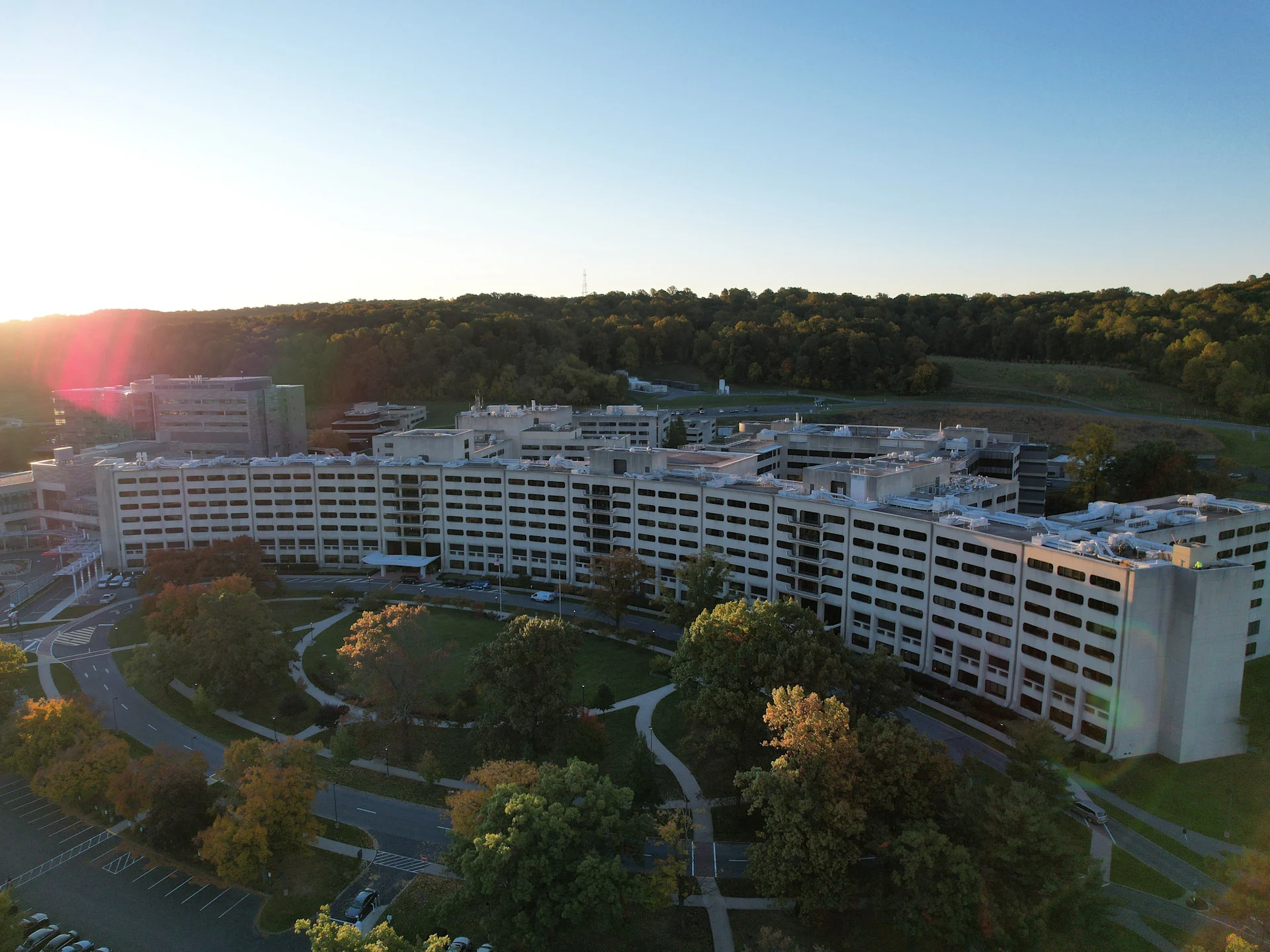
UPMC Pinnacle Community Osteopathic is located off Union Deposit Road in suburban Harrisburg, Pa., approximately 20 minutes from Hershey. The Osteopathic campus includes an acute-care hospital, medical sciences pavilion, cancer center, outpatient center and multiple physician practices and specialty offices.
There are three mandatory conferences for the General Surgery Residency: division-specific conferences, Thursday morning education conferences and Tuesday morning intern education.
Morbidity and Mortality Conference
Morbidity and Mortality Conference occurs at 7 a.m. Thursdays. Residents are responsible for presenting cases that are chosen for their educational and management learning points. The assigned resident is expected to develop a PowerPoint presentation and to review it with the responsible attending prior to the conference.
Grand Rounds Conferences
Grand Rounds with visiting professors occur at 5 p.m. every other Thursday, September through June.
Journal Club
Journal Club takes place throughout the academic year and is incorporated with a resident-faculty evening event.
Division-Specific Conferences
Many divisions have their own specialty-based conferences. A representative schedule may include the following:
Colon and rectal surgery
Minimally invasive and bariatric surgery
Pediatric surgery
Plastic surgery
Surgical oncology
Trauma/critical care
Vascular surgery
Career Development in Research
The Department of Surgery has a broad research program, and all divisions maintain active basic research labs or clinical research labs.
As part of an academic institution, the expectation is that most, if not all, of the surgical residents will spend a two-year period immersed in basic science or clinical research.
Prospective residents should expect to spend two years pursuing career development in research that helps to better prepare them for their future medical careers.
Current and past residents have taken the opportunity to pursue advanced degrees during this time period, and the opportunity exists to complete a number of master’s degree programs through Penn State or Penn State World Campus.
Residents have also participated in laboratories outside of the department, both within Penn State College of Medicine and other institutions, including the National Institutes of Health, returning after their career-development years to resume clinical training in Hershey.
While residents are encouraged to pursue external funding sources, limited support is available through the Department of Surgery for qualified individuals and projects.
Learn More About Research
Degree Programs
The possibility of pursuing an advanced degree in a number of areas within the Penn State system exists during the two years of career development between the second and third clinical years. Degrees available include:
Master of Education
Master of Business Administration
Master of Science
Master of Health Administration
Mission
The mission of the Penn State Health Global Surgery Program is accomplished through the mission objectives. In addition to the research objective, the program also seeks to provide training and mentorship in global surgery for staff, residents, fellows and medical students. The purpose of the training is to develop future leaders in global surgery that will have the skills to continue working abroad, as well as at home, to increase health and prosperity around the globe. The assets available at Penn State Health Milton S. Hershey Medical Center provide a world-class foundation in humanitarian health care, medical health systems and global medical ethics.
Vision
The program’s vision is to educate future leaders in global surgery while promoting positive changes in accessing and providing essential surgical care. The central focus of the program is to address the burden of surgical disease in impoverished areas through research, innovation and sustained collaboration with host nation partners.
Understanding the epidemiology of surgical diseases in low-resource countries requires an understanding of the local environment as well as precise data collection. This can best be accomplished by working alongside clinicians overseas and developing processes that identify the host nation’s surgical priorities. These data will be used to find innovative solutions to medical problems, identify priorities for translational research and provide opportunities to increase the research infrastructure within the host nations.
Eastern Regional Hospital Koforidua in Ghana is one of the sites for the Global Surgery program.
Objectives
Increase surgical capacity in low- and middle-income countries.
Conduct novel research in low resource settings to identify the epidemiology of surgical diseases in impoverished areas and barriers to accessing safe surgical care.
Provide mentorship in global surgery for residents, fellows and medical students in order to prepare them for service in low-resource settings.
Embody the core values of Penn State Health Milton S. Hershey Medical Center - respect, integrity, teamwork and excellence - in the practice of global surgery.
Global Surgery Team
Resident Honors and Recognitions
General Surgery Residency trainees have presented both podium and poster presentations at many conferences, including:
AAMC Integrated Quality Meeting
Abdominal Wall Reconstruction Summit
Academic Surgical Congress (Society of University Surgeons)
ACGME Annual Education Conference and ACGME-CLER (Clinical Learning Environment Review) Conference
Advances in Inflammatory Bowel Disease Crohn’s and Colitis Foundations’ Clinical and Research Conference
American Association of Thoracic Surgeons American College of Surgeons
American College of Surgeons National Surgical Quality Improvement Program National Conference
American Diabetes Association Scientific Sessions
American Head and Neck Society (AHNS) International Conference on Head and Neck Cancer
American Heart Association Americas Hepato-Pancreato-Biliary
Association American Professional Wound Care Association Meeting
American Society for Clinical Pathology Annual Meeting
American Society of Anesthesiologists Annual Meeting
American Society of Colon and Rectal Surgeons Annual Meeting
American Society of Bariatric and Minimally Invasive Surgeons
Annual Conference on Shock
Annual Congress of American Hepato Pancreato Biliary Association
Annual Hernia Repair Symposium
Annual Meeting of the American Association for the Surgery of Trauma
Annual Meeting of the Vascular and Endovascular Surgery Society
Annual Metabolic Diseases World Summit
Annual Research Conference on Food, Nutrition, Physical Activity and Cancer
Association for Academic Surgery-Annual Academic Surgical Congress
Association for Surgical Education
Biological and Medical Data Analysis, International Symposium
Canadian Association of Pediatric Surgeons Annual Meeting
Central Surgical Association
Clinical Robotic Surgery Association Worldwide Congress
Clinical Meeting of the Frederick A. Coller Surgical Society
Crohn’s and Colitis Foundation of America Conference
Design of Medical Devices Conference
Digestive Disease Week ESMO World Congress on Gastrointestinal Cancer
European Society of Gene & Cell Therapy
Experimental Biology
Gastrointestinal Cancers Symposium
Human Factors and Ergonomics Society Annual Meeting
International Conference on Na,K-ATPase and Related Cation Pumps
International Design Engineering Technical Conferences and Computers and Information in Engineering Conference
International Pediatric Endosurgery Group Annual Congress
Keystone American College of Surgeons
Minimally Invasive Surgery Week
Northeastern Society of Plastic Surgeons
Pediatric Trauma Society Annual Meeting
Penn State Health Milton S. Hershey Medical Center Grand Rounds
Pennsylvania Colon and Rectal Society
Pennsylvania Society of Bariatric Surgery
Regional Cancer Therapies
SAGES
Sanctuary of Endovascular Therapy Meeting
Society for Neuroscience Annual Meeting
Society for Vascular Ultrasound Annual Conference
Society of Laparoendoscopic Surgeons Minimally Invasive Surgery Week
Society of Plastic Surgeons Annual Meeting
Society of Surgical Oncology Annual Cancer Symposium
Surgical Education Week
The Society for Surgery of the Alimentary Tract
Western Thoracic Surgical Association
World Conference for Abdominal Wall Hernia Surgery
World Congress of Endoscopic Surgery
World Congress on Health Economics
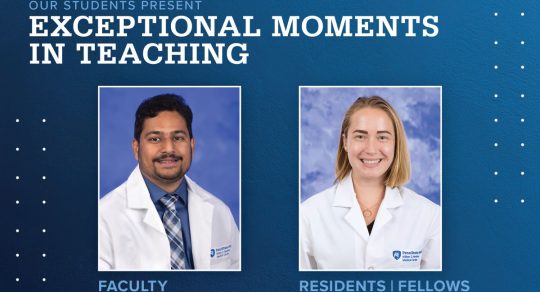
Penn State College of Medicine and Penn State Health Milton S. Hershey Medical Center accept ongoing nominations for the .
The award, given monthly by the Office for a Respectful Learning Environment, accepts nominations from College of Medicine students who are invited to submit narratives about faculty members, residents, fellows, nurses or any other educators who challenge them and provide an exceptional learning experience.
Previous nominees from the General Surgery Residency are listed here.
The annual Resident/Fellow Research Day is held each year (with exception of during the COVID-19 pandemic) on and around the Penn State Health Milton S. Hershey Medical Center campus.
The intent of the event is to provide an opportunity for residents and fellows to showcase their research accomplishments to their peers in other clinical departments, as well as their colleagues in the basic sciences.
.
Previous presentations from the General Surgery Residency are listed here.
Contact Information
Mailing Address
Penn State Health Milton S. Hershey Medical Center
Department of Surgery
General Surgery Residency
500 University Dr.
MC H159
Hershey, PA 17033