Cellular & Molecular Physiology at Penn State College of Medicine
A compelling picture of the future we are creating in the Department of Cellular & Molecular Physiology: to be viewed as a model department in providing and integrating the education of medical and graduate students, the discovery and validation of biomedical knowledge, and the active engagement of the college, university, and professional communities that we serve.
The Department of Cellular and Molecular Physiology at Penn State College of Medicine provides outstanding training opportunities for graduate students and postdoctoral fellows interested in pursuing a career in the cellular, molecular and/or metabolic aspects of physiology. The Department offers a faculty of international reputation along with modern, well-equipped laboratories in a beautiful setting conducive to outstanding academic achievement and research productivity.
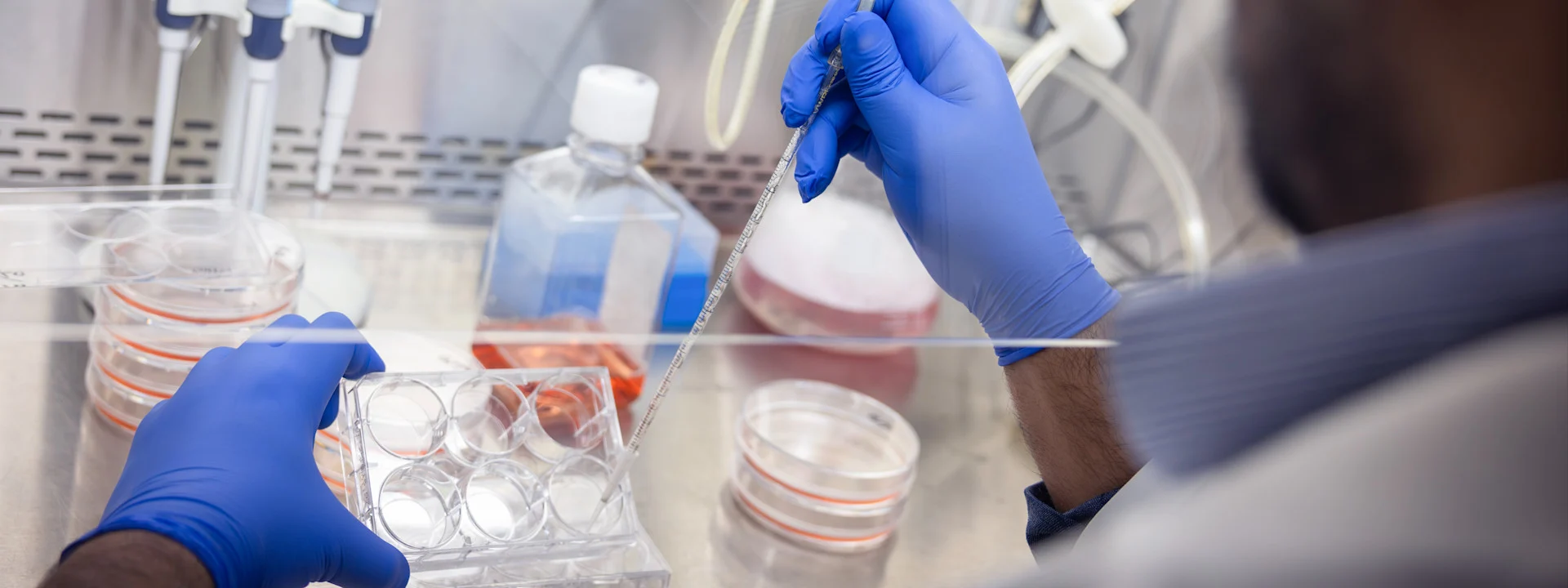
The research laboratories of individual department faculty members encompass a total of approximately 22,000 square feet. These facilities are well equipped with modern analytical instruments.
The service activities of the faculty include membership and leadership on the committees of the University and on peer review committees at the national and international levels. Department members serve as Editor or Associate Editor of the major journals in their area of expertise. Several additional department members serve on major editorial boards including those of the American Journal of Physiology, the Journal of Biological Chemistry, the Biochemical Journal and the International Journal of Biochemistry and Cell Biology. Service in advisory groups and national study sections is also extensive.
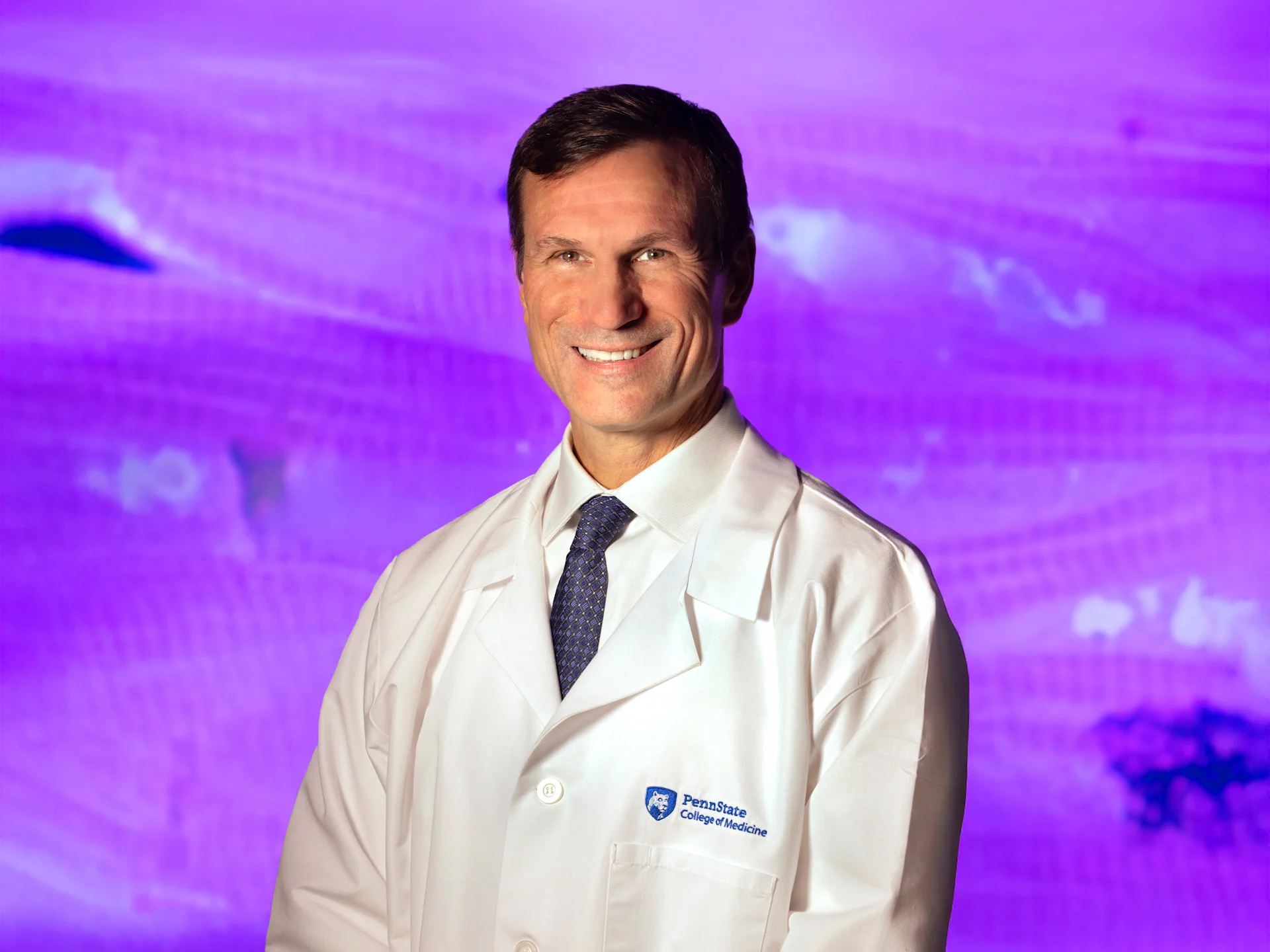
Donald Gill, PhD
Cellular & Molecular Physiology Department Chair
Penn State College of Medicine
More about Cellular & Molecular Physiology @ Penn State
Latest from Cellular & Molecular Physiology
Research Events
- Research Operations and Administrative Rounds (ROAR) Monthly Meeting
Jan 14, 2020 10:00 AM EST Lecture Room C (Room C6616) – Penn State College of Medicine - New PubMed Tips and Tricks
Jan 14, 2020 12:00 PM EST Webconference - Neuroscience Student Seminar: Insung Song
Jan 14, 2020 12:00 PM EST Room C3700 – Penn State College of Medicine - Topics in Addiction: “Novel Peptidergic Targets for Alcohol Use Disorder”
Jan 14, 2020 12:00 PM EST Room C3860 – Penn State College of Medicine - Conflict of Interest Review Committee Meeting
Jan 14, 2020 4:00 PM EST Various Locations
Physiology Publications
- Ethanol acutely antagonizes the refeeding-induced increase in mTOR-dependent protein synthesis and decrease in autophagy in skeletal muscle.Steiner JL, Lang CH. Mol Cell Biochem 2019 Jun;456(1-2):41-51
- Targeting IDH1 as a pro-senescent therapy in high-grade serous ovarian cancer.Dahl ES, Buj R, Leon KE, Newell JM, Imamura Y, Bitler BG, Snyder NW, Aird KM. Mol Cancer Res 2019 May 20. pii: molcanres.1233.2018 [Epub ahead of print]
- Fendiline Enhances the Cytotoxic Effects of Therapeutic Agents on PDAC Cells by Inhibiting Tumor-Promoting Signaling Events: A Potential Strategy to Combat PDAC.Alhothali M, Mathew M, Iyer G, Lawrence HR, Yang S, Chellappan S, Padmanabhan J. Int J Mol Sci 2019 May 16;20(10). pii: E2423
- Evidence for a role for Sestrin1 in mediating leucine-induced activation of mTORC1 in skeletal muscle.Xu D, Shimkus KL, Lacko HA, Kutzler L, Jefferson LS, Kimball SR. Am J Physiol Endocrinol Metab 2019 May 1;316(5):E817-E828
- The lysosomal TRPML1 channel regulates triple negative breast cancer development by promoting mTORC1 and purinergic signaling pathways.Xu M, Almasi S, Yang Y, Yan C, Sterea AM, Rizvi Syeda AK, Shen B, Richard Derek C, Huang P, Gujar S, Wang J, Zong WX, Trebak M, El Hiani Y, Dong XP. Cell Calcium 2019 May;79:80-88