PROMISE Program
PROMISE Program
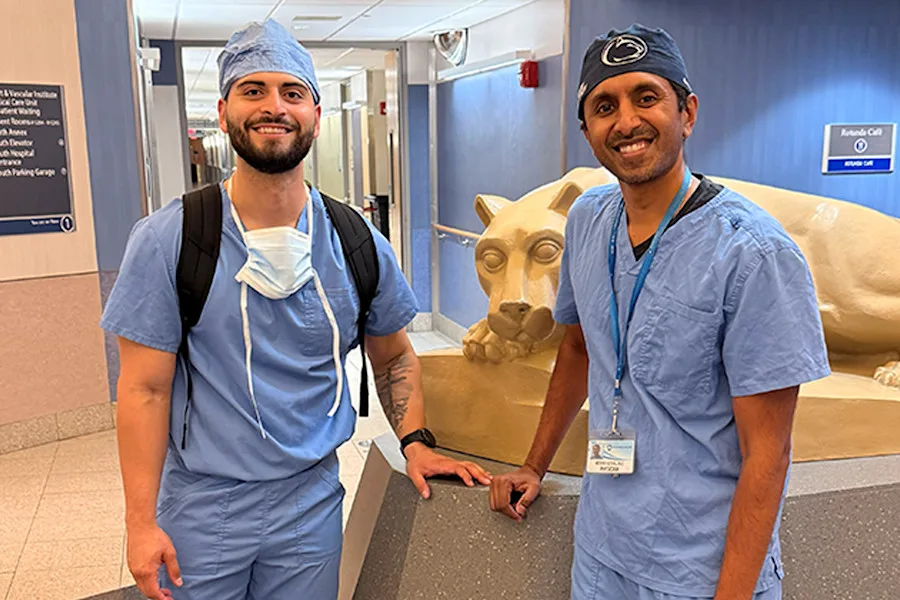
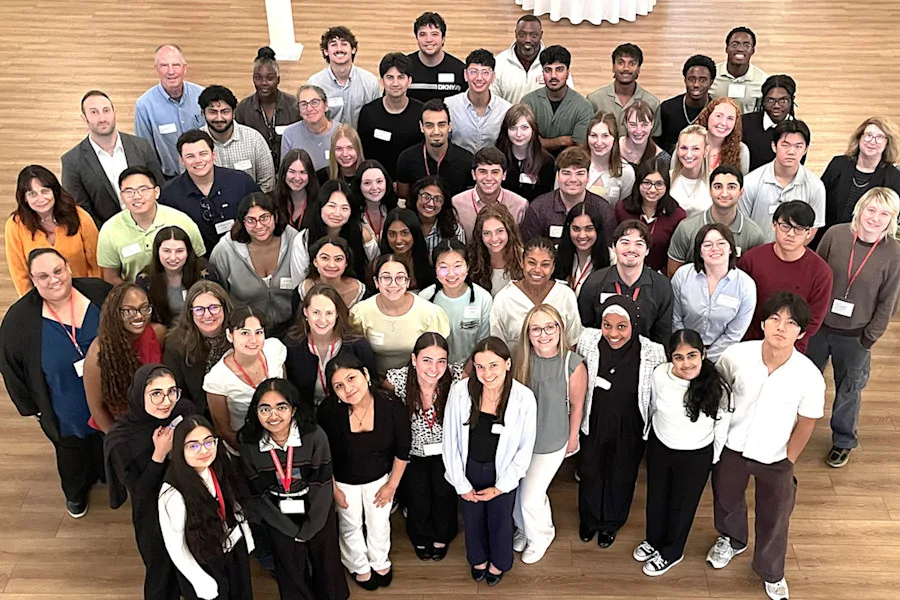
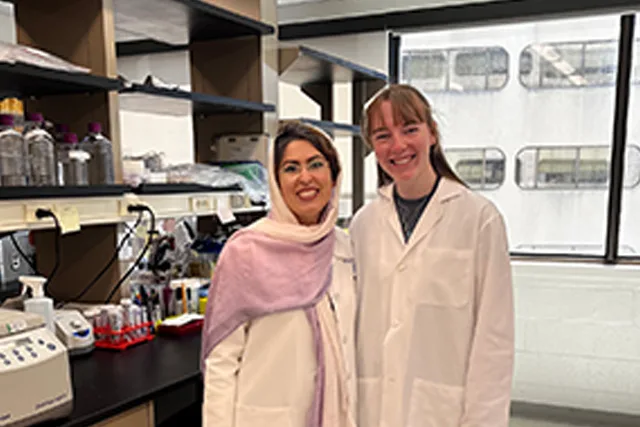
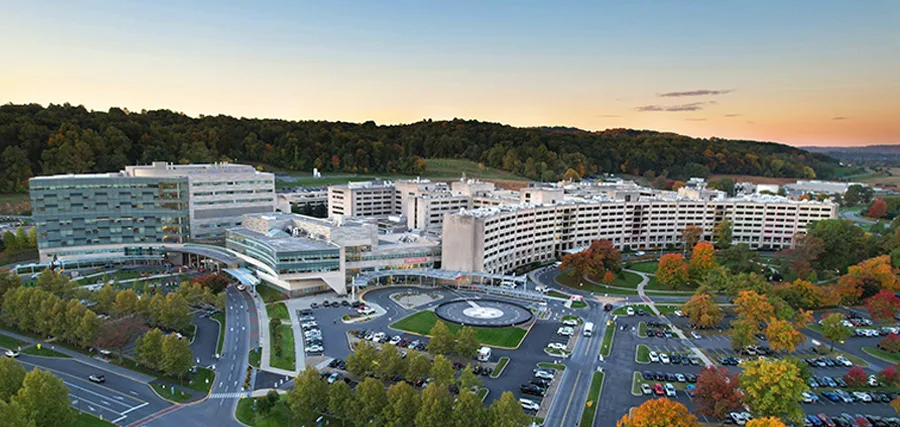
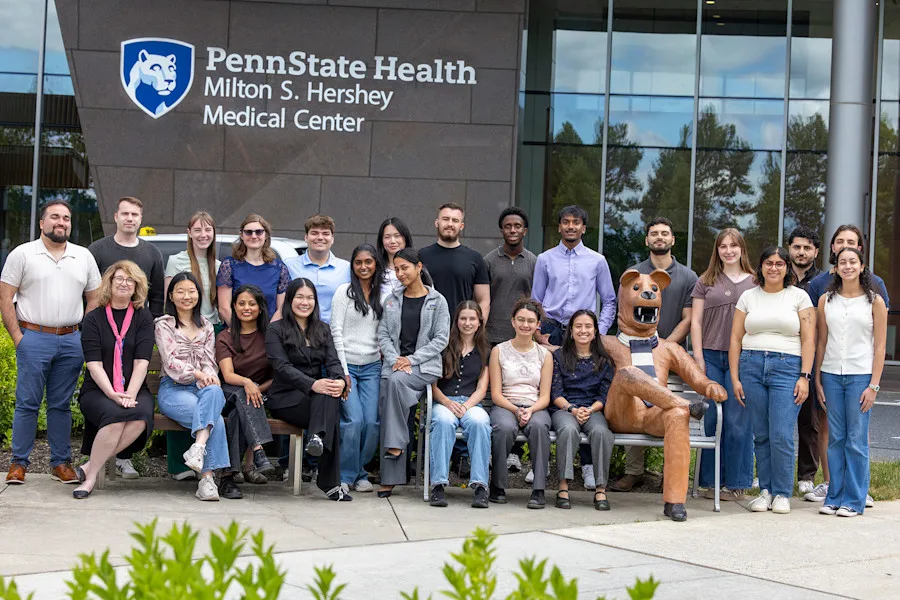
The recent 2026 PROMISE Program participants gathered around the Nittany Lion statue in front of the medical center.
“I loved the way we were able to interact with the other PROMISE students with no worry of competition. Everyone was incredibly supportive, and all the faculty members only had the best in mind for us and gave great advice.”
"I am incredibly grateful for the experience and for everyone who made it possible," said Matt Hernandez, a medical student from Oklahoma State University, after being mentored by Neerav Goyal, MD, MPH, who specializes in head and neck surgical oncology at the Penn State College of Medicine.
Participants from the Penn State Cancer Institute, Maryland University and Fox Chase Cancer Center met in York, Pennsylvania for the 2026 MATES Retreat.
“I found the elevator pitch session at the MATES retreat to be very helpful in enhancing my scientific communication skills.”
“The mentorship aspect meant a lot to me, both in my lab and through the program. I really liked that everyone was encouraging for me to find my own place in cancer care."
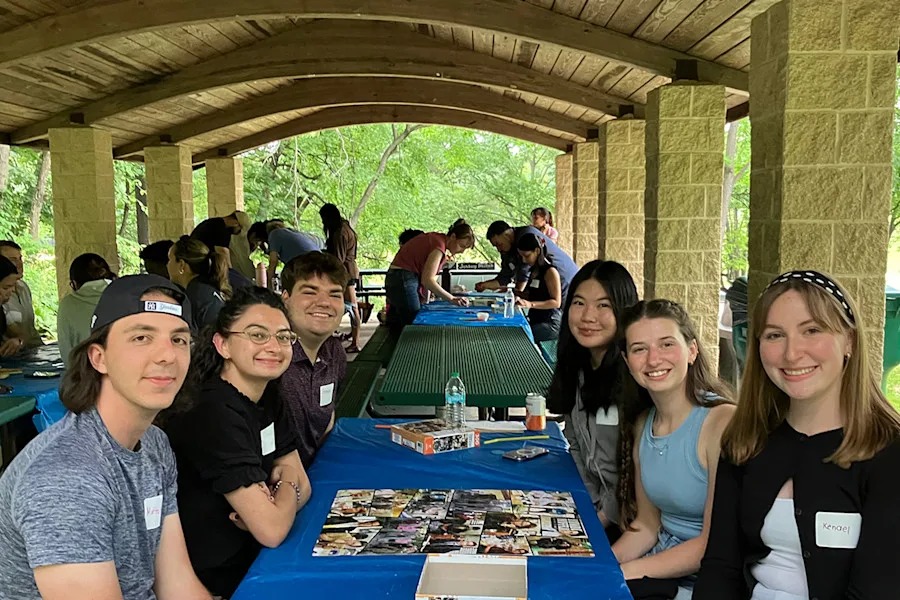
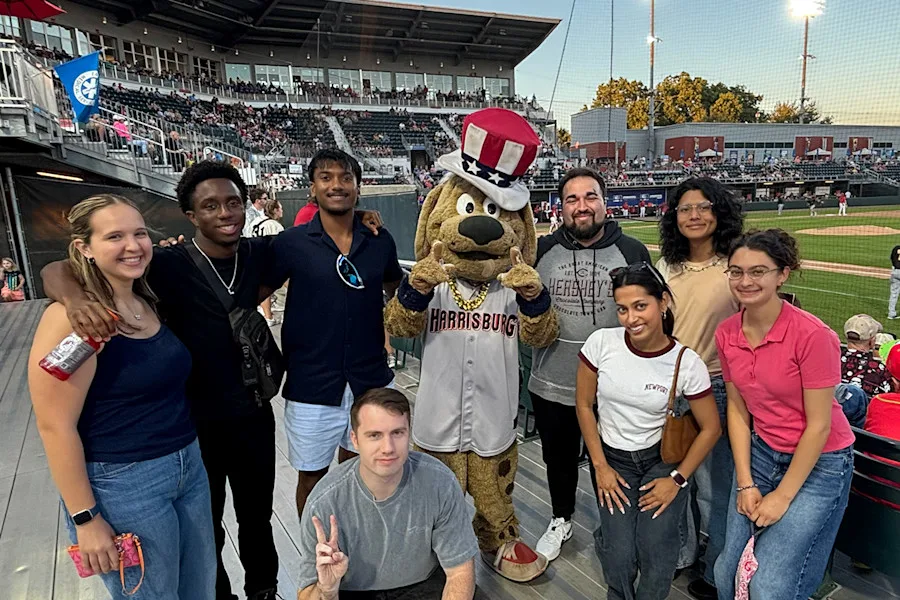
PROMISE participants participated in social activities throughout the summer, including this outing to a local Senators baseball game.
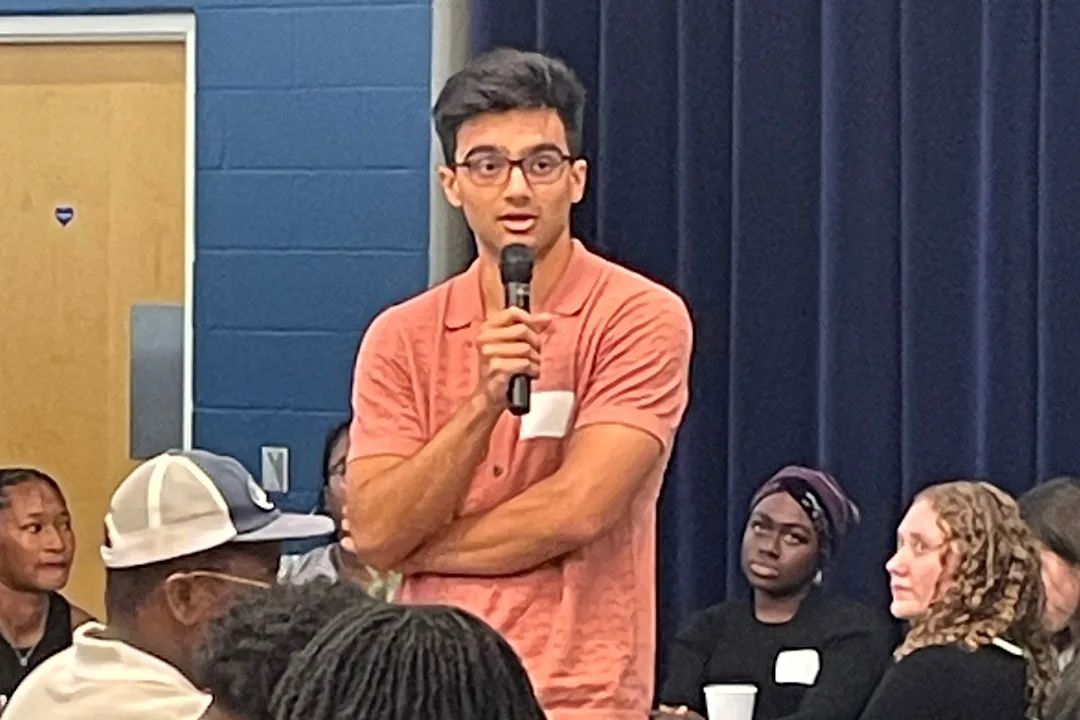
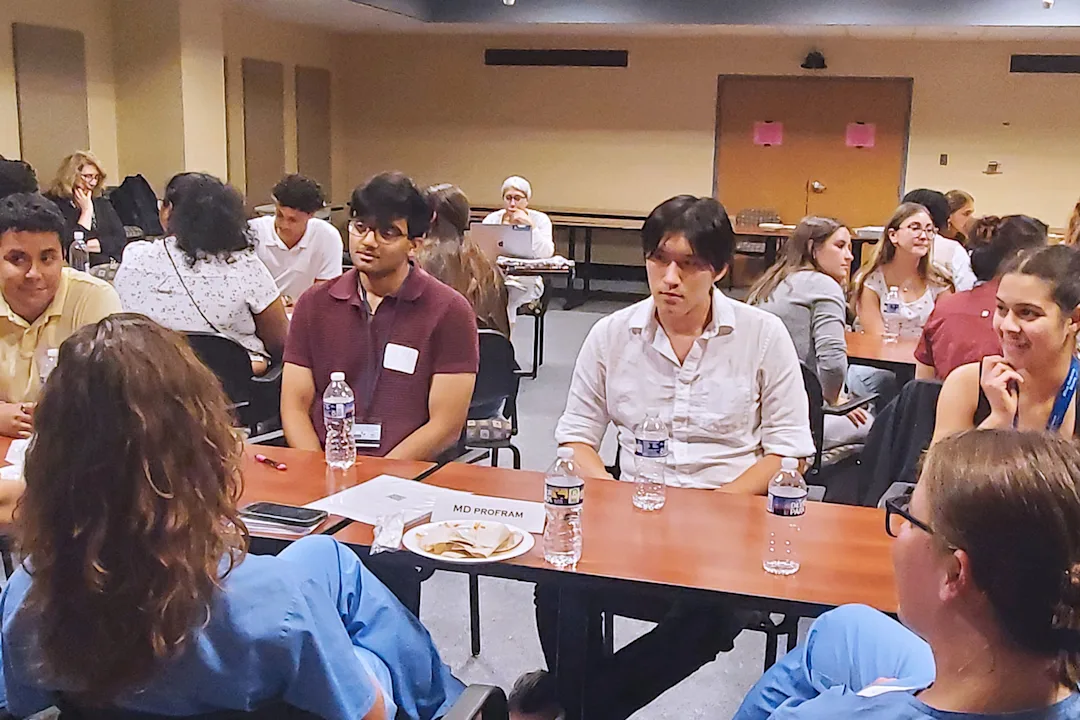
Program participants attended weekly educational career sessions such as this Next-step Workshop.
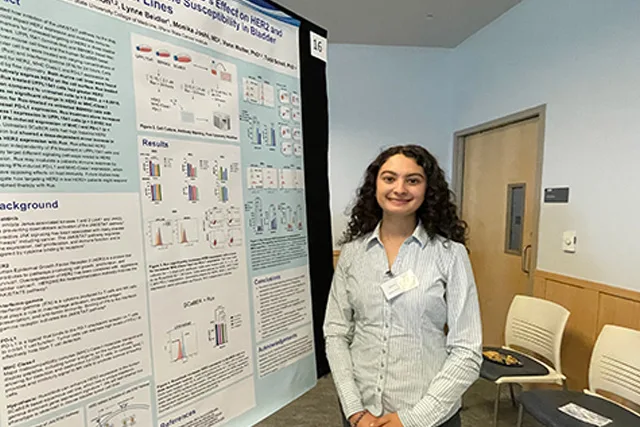
PROMISE participants present their research at the program's concluding Poster Symposium.
Work at the Hershey Medical Center/Penn State College of Medicine, known for its research and clinical excellence!
Eligibility
Must be U.S. citizen or permanent resident.
College undergraduates who have completed at least two years of college by the program start date in a STEM major (including engineering, computer science, statistics and biological sciences).
Medical students from an accredited US medical school between the first and second years.
3.0 GPA is recommended.
Key Dates
Dec. 1, 2026: Applications open for Summer 2027
Jan. 31, 2027: Applications close for Summer 2027
May 24, 2027: Start of experience and orientation
Jul. 31, 2027: End of experience
Notes: Start/end dates for medical students are flexible to accommodate curriculum differences. The PROMISE program runs for 10 weeks; a minimum of 8 weeks (full time) commitment is required.
Contact the Program
For questions, please contact the PROMISE team at promise@psu.edu.
Program Details
Contribute to advancing cancer health outcomes through collaborative research.
"Research for Life" training focus: learn how lives can be saved through effective cancer prevention and cancer treatment.
Experience the language, techniques, strategies and concepts used every day by cancer researchers.
Develop networks and professional skills to support your future career.
Program mentors include PhD, MD and MD/PhD faculty with active research grants or clinical trials, and a strong history of mentorship.
"Cancer in Real Life" events with survivors, patients and humanities faculty reinforce why we do research: to positively impact the lives of individuals. Watch a video from the 2026 Cancer in Real Life dinner.
Workshops focused on professional and personal skills needed for sustained research careers.
Capstone Research Symposium and Mid-Atlantic Trainee Retreat provide multiple opportunities to develop oral presentation skills and create a career network.
Limited clinical shadowing opportunities are available (optional).
You will need: your undergraduate college transcript (unofficial); information from your resume or curriculum vitae; a personal statement; and names/email addresses of two references who will provide letters of support. We will contact the references directly.
Your personal statement is one of the most important components of the application. This statement must describe why you are motivated to explore pursuing an oncology or cancer research career and why you are interested in the PROMISE program.
In the “Achievements” section, list your research experience; authorship on publications; conference presentations (oral or poster); and any honors/awards you have received.
Medical students: on the application, “College One” is the institution where you are currently enrolled in medical school; “College Two” is your undergraduate institution. For students attending a pass/fail medical school, please enter 0 as your GPA; reviewers will understand this entry to mean pass/fail.
The program will accept up to 22 students (undergraduate and medical).
Participants will be selected based on demonstrated interest in the program, scholarship, research experience and reference letters. Personal statements are required and are a critical part of the selection materials. Applicants must describe their motivation for an oncology career or interest in cancer research.
The participant will receive $6,000 for the full 10-week experience.
The PROMISE program will cover travel costs to Hershey, Pennsylvania.
The PROMISE program will provide partial support for on-campus housing. A need-based summer housing allowance is available for qualified participants. .
Penn State Cancer Institute is a center for cancer research, career enhancement and clinical care within central Pennsylvania.
The College of Medicine campus in Hershey, Pa., is an ideal and stimulating environment, due to the presence of faculty mentors, near-peers and peers (graduate and post-graduate trainees) from basic, population and clinical sciences at a single location.
PROMISE participants are matched with mentors across the Penn State Cancer Institute to experience immersive research programs in basic science, public health, and clinical research. The variety of opportunities possible are demonstrated is this list of seven recent participant project titles and brief abstract excerpts:
Accessible Community Cancer Early Screening Services (ACCESS): Expanding Access to Colorectal and Cervical Cancer Screening across Healthcare Settings (Medical Student): Colorectal and cervical cancers can often be prevented or detected early through routine screening, but many people do not get screened because of barriers such as limited access to healthcare, inconvenience, and lack of awareness. We developed educational materials and a standardized program to help people complete screening and connect those with abnormal results to follow-up care.
EZH2 Inhibition Induces Autophagy in Merkel Cell Carcinoma (Undergraduate Student): In this study, we identified autophagy induction as a potential therapeutic approach to treat MCC, which is a rare but highly aggressive form of skin cancer that can spread quickly and has limited treatment options for patients with advanced disease.
Impact of CK2 on Replication Stress and Genomic Stability in BRCA2-Deficient Cells (Undergraduate Student): Our study focused on whether inhibiting CK2 using CX-4945 could help reduce DNA damage in BRCA2-deficient cells, and we found that inhibiting CK2 protects BRCA2-deficient cells from replication fork degradation.
The Predictive Capability of Cytology in Detecting Upper-Tract Urothelial Carcinoma (Medical Student): We retrospectively evaluated urine cytology in patients undergoing radical nephroureterectomy to assess its ability to predict recurrent or progressive disease.
Preoperative 5-ARI Exposure and Outcomes After Radical Prostatectomy (Undergraduate Student): In this study, we developed a novel model that combines clinical information to estimate a patient's risk of having clinically significant prostate cancer at their first, second, or third biopsy. Our results showed that this approach performed as well as existing methods for the initial biopsy and was very accurate for predicting cancer during repeat biopsies.
Uncovering Barriers in Clinical Trials for Cancer Care at the Penn State Cancer Institute Patient (Medical Student): We surveyed cancer patients at Penn State Cancer Institute to understand what influences participation in clinical trials.
Second-Generation TMZ-Se Analog TMZ-21 Demonstrates Potent Cytotoxic and Pro-Apoptotic Activity in A375 Melanoma Cells (Undergraduate Student): TMZ-Se analogs consistently showed greater cytotoxicity and higher levels of apoptosis than TMZ in A375 melanoma cells, suggesting their potential as a therapeutic approach for melanoma.
Leadership
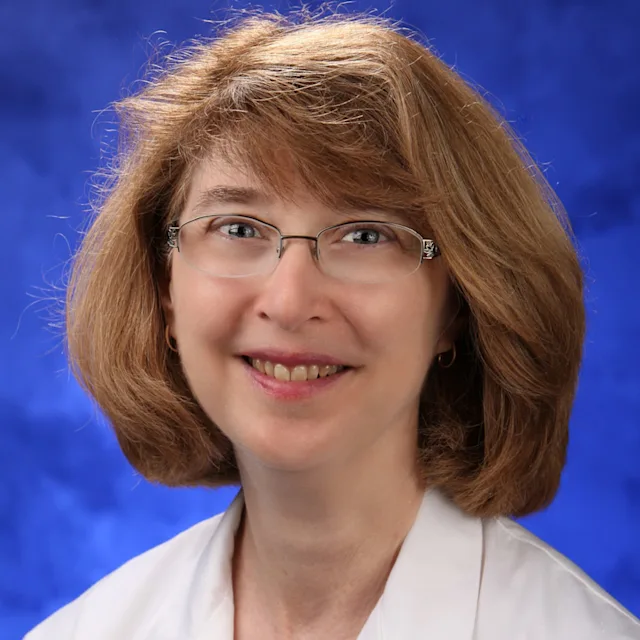
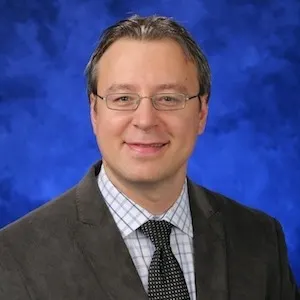
Advisory Committee Members
Rachel Blansfield, BS, PROMISE Medical Student Alumni, Medical Student, Penn State College of Medicine
Sinisa Dovat, MD, PhD, Professor of Pediatrics and Director, Developmental Therapeutics Program in Pediatric Hematology/Oncology
Carla Gallagher, PhD, Professor and Chair, Department of Chemistry and Physics, Lincoln University
Bernadatte Gilbert, MD, Associate Dean for Admissions and Financial Aid, Penn State College of Medicine
Monika Joshi, MD, Professor of Medicine and Medical Director, Penn State Cancer Institute Clinical Trials Office
Shannon Nowotarski, PhD, Associate Professor of Biochemistry and Molecular Biology, Penn State Berks
Jeffrey M. Peters, PhD, Distinguished Professor of Molecular Toxicology and Carcinogenesis, Interim Director of the Penn State Cancer Institute
Lauryn Six, BS, EP-C, PROMISE Undergraduate Alumni, Certified Exercise Physiologist, Penn State Cancer Institute
Gail Thomas, PhD, Professor of Medicine and Co-Director, Penn State Clinical and Translational Science Institute TL1 Translational Research Training Program.