OHACE
Get Involved
Student Organizations Focused on Outreach, Access & Engagement
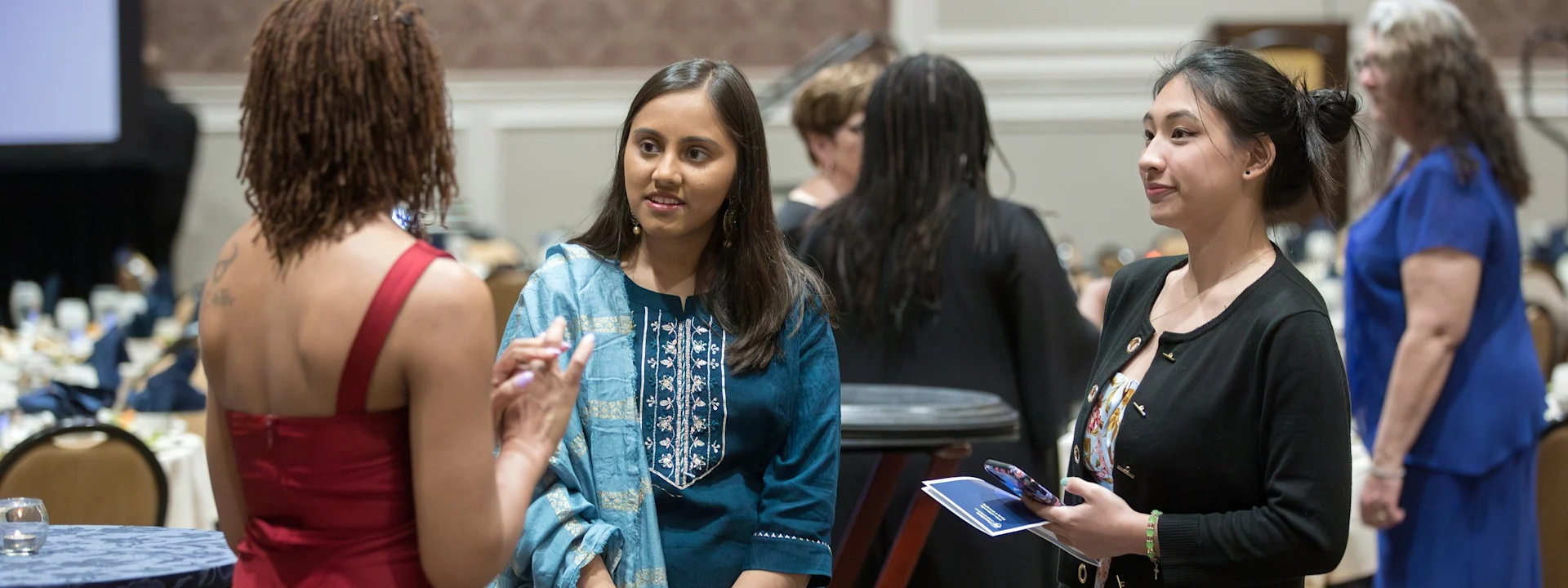
As part of our commitment to fostering an inclusive and equitable community, we are pleased to highlight student organizations focused on outreach, access, and engagement. These organizations host educational, cultural, and social events throughout the year, offering students opportunities to connect with peers, participate in meaningful projects, and contribute to ongoing efforts to build a more welcoming and inclusive campus community.
American Medical Association (AMA)
American Medical Women’s Association (AMWA) HSY & UP
American Muslim Medical Student Association (AMMSA)
Asian Pacific American Medical Student Association (APAMSA)
Association of Women Surgeons, UP
BRIDGE, HSY & UP
Catholic Medical Organization (CMO)
Christian Medical Society
Dermatology Interest Group
Disability and Deafness Advocacy Coalition (DDAC)
Endo for All
Environmental Health and Medicine
First Generation in Medicine (FGIM)
Global Health Interest Group (GHIG)
Graduate Researchers for Inclusion, Scholarship and Equity (G-RISE)
Graduate Student Association
Heath Professions Student Assembly Diversity (HPSA), HSY & UP
Immigrant Health Interest Group
Jewish Union of Medical Professionals (JUMP)
Latino Medical Student Association (LMSA)
Lion Care
Lion Pride
MD Program, OHACE Chairs
Medical Spanish Interest Group, UP
Military Medicine Interest Group and Student Veterans of America (MMIG/SVA)
Mind Over Stigma
Multicultural Awareness Club (MAC)
Palliative Care Interest Group
Physician Assistant Program, OHACE Chairs
Physician Scientist Student Association (PSSA), OHACE Taskforce Chair
Pre-Health Program for Underrepresented Leaders in STEM Education (PULSE)
Refugee Initiative
Rural Health Interest Group
Salvation Army Health Class
South Asian Student Association (SASA)
Special Olympics Community Outreach
Street Medicine
Student-Led Collaborative Outreach Program for Health Equity (SCOPE)
Student National Medical Association (SNMA)
Student Pediatric Society
Student Surgical Society
Women’s Health Interest Group (WHIG)
HSY = Hershey campus UP = University Park campus
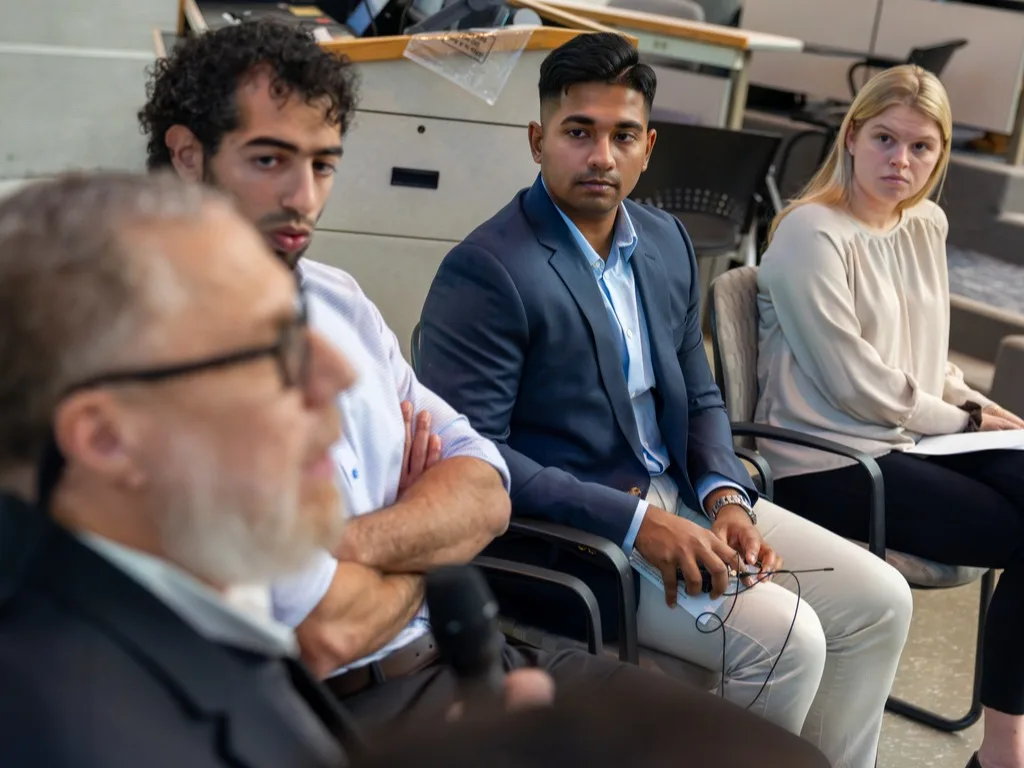
The MENTOR program pairs medical, physician assistant and graduate students with faculty mentors. Students have the opportunity to learn from mentors, understand future challenges, make connections and network, secure opportunities, and accomplish goals. Mentors share their real-word tips and advice to help students succeed. The program also includes group events for learning and networking. These events strength the relationship among mentors, mentees, and peers. The events also enhance the educational experience and foster a sense of belonging.
Network of Underrepresented Residents and Fellows
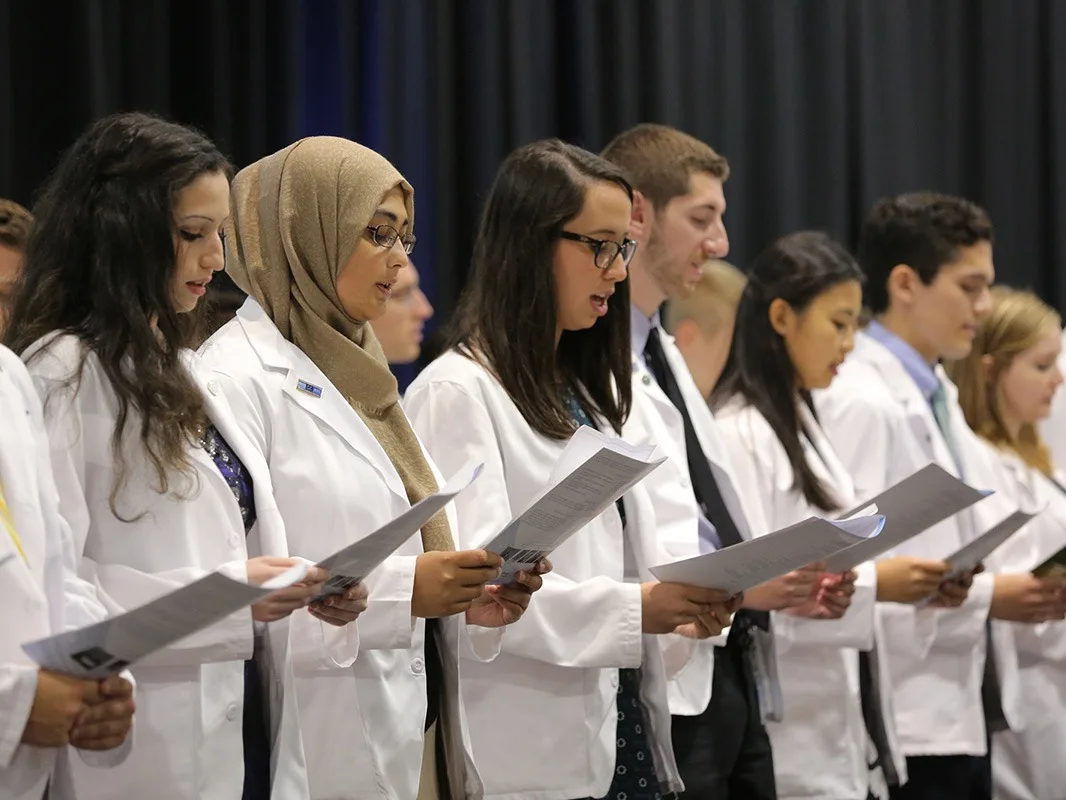
The Network of Underrepresented Residents and Fellows (NURF) is a group of diverse residents and fellows from various specialties. NURF’s goal is to promote cultural diversity in the residency programs through community involvement, mentorship with diverse faculty, professional networking, and support for the recruitment of diverse medical students into the residency programs. NURF is sponsored by the Penn State College of Medicine Graduate Medical Education and the Penn State Health Advancement and Community Engagement offices.
Group on Women in Medicine and Science (GWIMS)
The Group on Women in Medicine and Science (GWIMS) has joined with the Office of Health Advancement and Community Engagement. Its aim is to advance the full and successful participation and inclusion of all women within academic medicine by addressing gender equity, recruitment and retention, awards and recognition, and career advancement.
Our group strives to be inclusive of transgender, gender non-binary individuals, and male allies and works to support equity for all genders, races, ethnicities, abilities, and forms of intersectionality.
GWIMS is the Penn State COM chapter of the Association of American Medical Colleges (AAMC) GWIMS. GWIMS is open to any faculty member in the College of Medicine.
For more information, contact Amanda Cooper (acooper2@pennstatehealth.psu.edu), Heather Stuckey-Perot (hstuckey@pennstatehealth.psu), and Jessica Bonatakis (jbonatakis@pennstatehealth.psu.edu).
Employee Resource Groups (ERGs) help foster a workforce where inclusion, equity and belonging are supported, encouraged and celebrated. Groups offer faculty and staff a way to connect with colleagues throughout the institution around similar interests, identities, experiences, and goals. The groups offer a space for networking, professional development opportunities, advocacy, and support.
Workgroups
Talent Pathways & Pipelines
Collaborate with internal and external partners to enhance and expand pathway programs. The group will support learners and staff throughout the continuum of education and career development. The workgroup ensures alignment with long-term personal and professional goals while strengthening sustainable pipelines for workforce recruitment, development, and retention.
Staff Recruitment & Retention
Focuses on attracting, supporting, and retaining a skilled and committed staff through sustainable recruitment strategies, professional growth opportunities, and fostering positive workplace climate and culture. The group will collaborate with HR on identifying talent and recruitment strategies.
Learner Mentorship & Development
Collaborate with the Medical Education and Graduate Programs (MD, PA, Graduate-levels) to support holistic learner success through mentorship, professional development, and initiatives that enhance academic, personal, and career growth.
Marketing & Communications
Work with the marketing and communications team and other workgroups to identify ways to strengthen health advancement and community engagement communications. This effort will support coordinated messaging, increase visibility for key initiatives, and encourage engagement through clear, consistent communication and collaboration.
Funding, Scholarship & Resource Development
Helps identify funding opportunities and build partnerships with alumni, external organizations, and internal stakeholders. This work supports non-tuition scholarships, student success initiatives, and other strategic priorities. Also supports grant writing and proposal development.