Residency

Emergency Medicine

A three-year, ACGME-accredited program accepting 10 residents per year.

On This Page

WE ARE committed to our communities, invested in our learners, and driven to train the next generation of emergency physicians.

The People

10 Residents/Class

The Place

Pennsylvania's Only Combined Level I Adult & Pediatric Trauma Center

The Program

3-year program

ThumbnailplayArrow icon

Program Overview

Located in the heart of Central Pennsylvania, Penn State Health Milton S. Hershey Medical Center is Pennsylvania’s only combined Level I adult and pediatric trauma center. More than 80,000 annual emergency department visits, Life Lion EMS participation, medical command experience, and diverse pathology provide residents with exceptional training in a dynamic academic environment.

Learn More about the Residency

Greetings from the Emergency Medicine Residency leadership team at Penn State Health Milton S. Hershey Medical Center.

Our institution was founded on a bold and transformative vision. In 1963, the M. S. Hershey Foundation provided a landmark $50 million gift to establish a medical school and teaching hospital at Penn State. Combined with $21.3 million from the U.S. Public Health Service, this investment led to the creation of a premier academic medical center. Groundbreaking began in 1966, the College of Medicine welcomed its inaugural class in 1967, and the hospital opened its doors to patients in 1970.

Today, we remain deeply committed to that founding mission—delivering exceptional, evidence-based care to all patients, regardless of race, color, religion, gender identity or expression, national origin, disability, financial status, or sexual orientation.

Clinical Training Excellence

Residents train at Pennsylvania’s only combined Level I Adult and Pediatric Trauma Center, gaining exceptional exposure to high-acuity, high-complexity pathology. Penn State Health Milton S. Hershey Medical Center is a 619-bed, nonprofit, tertiary academic medical center serving a diverse patient population across central Pennsylvania and beyond. Our campus also includes:

  • Penn State Children’s Hospital (122 beds)

  • A 22-bed Pediatric Intensive Care Unit (PICU)

  • The region’s only Level IV Neonatal Intensive Care Unit (NICU) with 56 beds

The PICU is a cornerstone of the region’s Level I Pediatric Trauma Center, delivering advanced care for critically ill and injured children as well as those recovering from complex surgical interventions.

From the earliest stages of training, residents are immersed in the care of medically complex patients across the full age spectrum. Our program emphasizes graduated autonomy, allowing learners to develop the confidence, clinical judgment, and procedural expertise required for independent practice.

A key component of our clinical excellence is the integration of point-of-care ultrasound (POCUS) as a core diagnostic and procedural tool. Residents receive longitudinal training in bedside ultrasound, using it to enhance diagnostic accuracy, guide procedures, and support real-time clinical decision-making across a wide range of patient presentations.

Diverse Training Environments

While Hershey serves as the primary training site, we intentionally incorporate high-quality community Emergency Medicine and ICU experiences. Residents rotate at Penn State Holy Spirit Medical Center, a busy Level II Trauma Center, where they:

  • Strengthen systems-based practice skills

  • Gain experience in resource-variable clinical environments

  • Develop decision-making expertise in managing versus transferring complex patients

This dual-site training model ensures graduates are adaptable, systems-savvy, and prepared to deliver high-quality care in a wide range of clinical settings.

Curriculum & Customization

Our curriculum is designed with flexibility, innovation, and career development in mind. Key features include:

Dedicated elective time to explore areas such as:

  • Ultrasound and advanced POCUS applications

  • Sports medicine

  • Addiction medicine

  • Administration

  • Medical education and beyond

Advanced PGY-3 rotations, including:

  • Pediatric Anesthesiology

  • Interventional Pulmonary Medicine

Residents develop progressive expertise in POCUS throughout training, with opportunities to refine advanced applications, integrate ultrasound into resuscitation and procedural workflows, and pursue focused ultrasound experiences.

We encourage residents to pursue their individual passions—whether as community clinicians, academic physicians, educators, administrators, or subspecialists.

A Culture of Growth and Support

Imagine a training environment where you are:

  • Supported by dedicated faculty and invested mentors

  • Challenged by diverse, high-acuity clinical experiences

  • Encouraged to explore and develop your unique interests

At Penn State, that vision is reality.

Our learners benefit from early exposure to complex pathology, hands-on procedural experience including ultrasound-guided interventions, collaborative learning with nationally recognized faculty, and access to a robust academic ecosystem with extensive fellowship opportunities and institutional depth. Residents are empowered to grow at their own pace while achieving the competencies necessary for excellence in Emergency Medicine.

Your Future Starts Here

All of this is housed in the welcoming, family-friendly town of Hershey—a place where you can unwind after a busy shift with a walk on a local trail, a night at Hersheypark, or simply by enjoying the ease of minimal traffic and a close-knit community.

Our faculty and staff are not only passionate educators but also kind, approachable, and deeply invested in your growth and wellness. With a no-call system, a supportive culture, and endless opportunities to shape your own path, Penn State offers the best of both worlds: robust, individualized training in a warm, community-centered environment.

Graduates of our program leave with the confidence, clinical acumen, and adaptability to manage the most critically ill and medically complex patients in any setting. At Penn State Health, we do not just train emergency physicians—we develop leaders in Emergency Medicine.

We’d love for you to get a glimpse of our program’s culture, people, and day-to-day life—follow us on Instagram @pennstateemresidency.

We look forward to connecting with you!

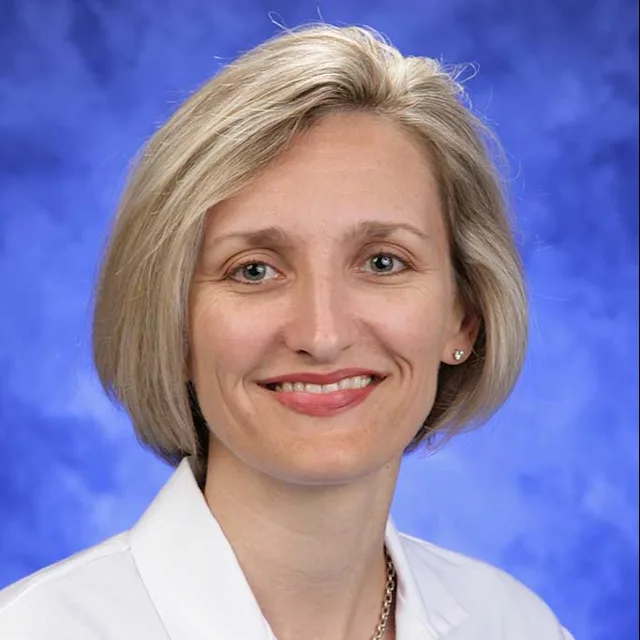
Michelle A. Fischer, MD, MPH, FACEP
Program Director, Emergency Medicine Residency

Welcome from Penn State Health Milton S. Hershey Medical Center - Department of Emergency Medicine! Our department is dedicated to advancing excellence in patient care, education, research, and innovation. As the region’s only academic medical center and a leading tertiary and quaternary referral center, our department provides comprehensive emergency care to patients with a wide range of medical, surgical, pediatric, and traumatic emergencies.

Our faculty, fellows, residents, advanced practice providers, nurses, and interdisciplinary team members work together in a dynamic learning environment that emphasizes clinical excellence, compassionate care, and lifelong learning. Through a commitment to innovation and evidence-based practice, we prepare the next generation of emergency medicine leaders to meet the evolving challenges of modern healthcare.

The Department of Emergency Medicine offers outstanding educational opportunities across the continuum of training, including medical student education, residency training, fellowship programs, and continuing professional development. Trainees benefit from exposure to high-acuity clinical experiences, cutting-edge simulation, robust scholarly activity, and mentorship from nationally recognized educators and clinicians.

Whether caring for patients at their most critical moments, advancing research that shapes the future of emergency medicine, or developing the skills of tomorrow’s healthcare professionals, Penn State Emergency Medicine is committed to excellence, collaboration, and service to our communities.

Join us in shaping the future of emergency care through exceptional training, groundbreaking discovery, and patient-centered excellence.

Susan B. Promes, MD, MBA, FACEP
Chair

The Penn State Health Emergency Medicine Residency Program is committed to continually improving the health and well-being of the people of Pennsylvania and beyond through exceptional emergency care, education, research, and service. We provide compassionate, culturally responsive, and equitable care to every patient while training the next generation of emergency physicians to excel in any practice environment. Through rigorous clinical experiences, individualized mentorship, scholarly inquiry, and innovation, we develop physicians who are clinically outstanding, intellectually curious, and prepared to lead in community practice, academic medicine, fellowship training, administration, advocacy, and global health. Guided by the Penn State Health values of Respect, Integrity, Teamwork, and Excellence, we strive to advance emergency care and improve the communities we serve.

The Penn State Health Emergency Medicine Residency Program aims to:

  1. Recruit, develop, and support outstanding residents who bring diverse experiences, perspectives, and strengths to our learning community.

  2. Graduate highly skilled emergency physicians who provide compassionate, evidence-based care across the full spectrum of illness, injury, and patient populations.

  3. Prepare residents to deliver culturally responsive and equitable care to patients of all ages, backgrounds, and communities.

  4. Develop lifelong learners who embrace curiosity, scholarship, continuous improvement, and the advancement of emergency medicine.

  5. Support residents in achieving their individual career goals through mentorship, leadership development, wellness, and personalized educational opportunities.

General Application Information

Thank you for your interest in the Penn State Health Emergency Medicine Residency Program. We are excited to learn more about applicants who are passionate about emergency medicine and interested in training at a high-volume academic medical center in the heart of Central Pennsylvania.

The Penn State Health Emergency Medicine Residency Program participates in the National Resident Matching Program (NRMP) and accepts applications exclusively through ResidencyCAS.

All application materials must be submitted through ResidencyCAS. Applications are reviewed holistically by our residency selection committee, and we welcome applicants from a variety of backgrounds, experiences, and training pathways.

Application Requirements

A complete ResidencyCAS application includes:

  • ResidencyCAS application

  • Medical Student Performance Evaluation (MSPE/Dean's Letter)

  • Medical school transcript

  • Personal statement

  • Minimum of one Standardized Letter of Evaluation (SLOE); additional SLOEs and letters of recommendation are encouraged

  • USMLE Step 1 or COMLEX Level 1

  • USMLE Step 2 CK or COMLEX Level 2-CE score (

    required prior to rank list certification)

Applications open to residency programs on September 23. Applicants are encouraged to submit all application materials as early as possible to allow for timely review.

Penn State Health welcomes applications from U.S. citizens, permanent residents, and applicants eligible for J-1 visa sponsorship.

Current information regarding resident benefits, policies, and terms of appointment can be found through the Graduate Medical Education Office. A copy of the resident agreement is available upon request or can be reviewed at the current resident agreement can be found here.

Selection and Interview Process

All applications are reviewed by the Emergency Medicine Residency Selection Committee.

Interviews are granted by invitation only. Applications are reviewed beginning September 23, and interview invitations are extended on a rolling basis throughout the interview season.

Interview season runs from October 2026 through January 2027. All interviews are conducted virtually through ResidencyCAS.

Interview days are held on Tuesdays and include three interview sessions each day. During the interview experience, applicants will have the opportunity to:

  • Meet residents and faculty members

  • Learn about our curriculum, educational opportunities, and resident support systems

  • Explore what makes Penn State Health a unique place to train

  • Discover life in the heart of Central Pennsylvania

  • Connect with current residents and learn about our program culture

We strive to create an interview experience that is welcoming, informative, and reflective of the supportive environment our residents enjoy every day.

Visiting Penn State Health

We understand the value of experiencing a residency program's culture firsthand and seeing the environment where you may train for the next three years. We are also committed to ensuring a fair, equitable, and consistent recruitment process for all applicants.

To support these goals, Penn State Health Emergency Medicine hosts two to four optional second-look events each interview season. These events provide applicants with an opportunity to visit our facilities, meet current residents and faculty, and learn more about our program and community.

To ensure all applicants have a similar opportunity to engage with our program, we are unable to accommodate individual second-look visits outside of these designated events. Participation in a second-look event is entirely voluntary and will have no impact on interview decisions, rank list placement, or Match outcomes.

Additional information regarding second-look opportunities and registration will be shared with applicants during the interview season.

Important Dates (2026–2027 Application Cycle)

  • September 23, 2026 – Applications available for review

  • October 2026 through January 2027 – Interview season

  • Tuesdays throughout interview season – Virtual interview days with three interview sessions offered each day

  • Second Look Dates – To Be Determined

We look forward to reviewing your application and sharing what makes Penn State Health Emergency Medicine such a special place to learn, grow, and train.

  • Annual Continued Educational Funds (about $550 per year)

  • “Meal Money” to be used at hospital cafeterias or Starbucks

  • Program additionally provides lunch after didactics

  • Stocked resident fridge (free meals, snacks and drinks at night)

  • Free Emergency Medicine Resident Association (EMRA) membership

  • Free board preparation question banks (PEER) and teaching materials

  • Free certifications and updates of BLS, ACLS, PALS and NRP

  • Free on-site parking

  • Up to 6 weeks of paid time off for parental leave

  • Quarterly class wellness nights

  • Biannual residency wellness events

  • APD/Faculty mentors

  • Office of Professional Mental Health

  • Institutional affinity groups and Business Employee Resource Groups (BERGs)

  • Network of Under-Represented Residents and Fellows (NURF)

  • Partners in Medicine

  • BERGs: Disabilities, interfaith, NextGen, LGBTQ+ and allies, military/veteran, multicultural, Black Physician Professional Staff Association, Hispanic Professional Association, Asian Physician and Professional Staff Association, International Workforce Inclusion

Medical Students

The Emergency Medicine Residency Program does not directly coordinate medical student rotations. Medical students interested in completing an away rotation at Penn State Health Milton S. Hershey Medical Center should review through Penn State College of Medicine.

Questions regarding the application process, scheduling, or rotation logistics may be directed to:

  • Carolina Paz, MD – Clerkship Director

  • Jamie Agnew-Gruber – Education Student Coordinator

Visiting Residents

Information regarding visiting resident rotations, including eligibility requirements and application instructions, can be found

Observerships, Shadowing, Internships, and Externships

The Emergency Medicine Residency Program does not coordinate, sponsor, or arrange observerships, shadowing experiences, externships, or research internships. These opportunities are managed separately through Penn State College of Medicine and Penn State Health.

Individuals seeking shadowing opportunities should review Students and Career Development | Penn State Health or the Chief Learning Officer's team at affiliationagreements@pennstatehealth.psu.edu for additional information.

Leadership

Profile Photo: Michelle Fischer
Profile Photo: Alexandra Lambert
Profile Photo: Michael DiPietro
Profile Photo: Julie Tondt
person iconPure
person iconFind a Doctor
Profile Photo: Sophie Nietz

Sophie Nietz, MHA

Program Coordinator, Emergency Medicine Residency, Emergency Medicine

A Year in the Life

A dedicated period of orientation for new interns begins upon their arrival in July. All new emergency department interns will work a reduced number of clinical shifts and participate in a variety of labs, simulations and orientation activities to help in the transition from senior medical students to functioning emergency medicine interns.

In addition, all new interns will become certified in advanced cardiac life support (ACLS), advanced trauma life support (ATLS) and pediatric advanced life support (PALS).

Longitudinal Pediatric Exposure

In order to be exposed to the full breadth that is pediatric emergency medicine, residents in the program have a longitudinal exposure to pediatric patients throughout all three years of their training.

Emergency medicine residents start seeing children from the beginning of their training and can expect to see children on nearly every shift. Residents are also scheduled for dedicated shifts with pediatric emergency medicine faculty.

Ultrasound

Residents participate in an ultrasound course during their orientation to the department. Afterward, they are encouraged to use ultrasound each and every shift. The ultrasound director reviews all of the studies, grades them and offers teaching points when appropriate. The residents have a two-week ultrasound rotation during the second year to further hone and develop their skills.

Community Emergency Medicine Experience

During the second year of residency, students rotate through UPMC Pinnacle Harrisburg, approximately 12 miles from Penn State Health Milton S. Hershey Medical Center. This clinical environment exposes residents to an urban and community-based patient population, which is distinctly different from that of Hershey Medical Center.

Critical-Care Experience

Interns rotate through the medical intensive care unit at Penn State Health Milton S. Hershey Medical Center, and frequently encounter critically ill patients on their cardiology rotation as well. Second-year residents rotate through the surgical anesthesia intensive care unit and the pediatric intensive care unit. In PGY-3, residents rotate through the medical intensive care unit at UPMC Pinnacle Harrisburg.

PGY-1 Year Overview

The PGY-1 year establishes the foundation for a successful career in emergency medicine. Residents develop core skills in patient evaluation, resuscitation, procedural competency, and clinical decision-making while caring for patients across a variety of clinical settings. Through experiences in emergency medicine, critical care, pediatrics, anesthesiology, ultrasound, and EMS, interns gain broad exposure to the full spectrum of emergency care while building the knowledge and confidence necessary for increasing responsibility throughout residency.

Rotation Overview

  • Emergency Medicine/Pediatric Emergency Medicine – 7 blocks

  • Anesthesia/Ultrasound – 1 block

  • Cardiology – 1 block

  • Medical Intensive Care Unit (MICU) – 1 block

  • Obstetrics & Gynecology – 1 block

  • Trauma Surgery – 1 block

  • Orthopaedics – 2 weeks

  • Emergency Medical Services (EMS) – 2 weeks

Emergency Medicine/Pediatric Emergency Medicine

Residents spend seven blocks in the emergency department during their intern year, including a dedicated orientation block in July. This early immersion allows residents to develop confidence in patient care, clinical decision-making, and procedural skills while becoming integrated into the emergency department team. Emergency Medicine rotations are balanced with off-service experiences throughout the year to provide a strong clinical foundation.

Anesthesia & Ultrasound

During intern year, residents split dedicated educational time between Anesthesiology and Emergency Medicine Ultrasound. This experience provides focused training in airway management, procedural sedation, and perioperative care while developing foundational point-of-care ultrasound (POCUS) skills.

Working alongside anesthesiology faculty and the Emergency Medicine Ultrasound Division, residents gain extensive hands-on experience with airway techniques, ultrasound-guided procedures, image acquisition, and interpretation. These skills are reinforced throughout residency through ongoing clinical application and longitudinal ultrasound education, preparing residents to confidently incorporate POCUS into real-time clinical decision-making and independent emergency medicine practice.

Cardiology

Working alongside cardiology faculty and trainees, residents develop expertise in the evaluation and management of common and complex cardiovascular conditions. Emphasis is placed on acute cardiac care, ECG interpretation, heart failure management, and evidence-based treatment strategies.

Medical Intensive Care Unit (MICU)

The MICU rotation offers exposure to the management of critically ill patients with a wide variety of medical conditions. Residents develop skills in resuscitation, ventilator management, hemodynamic monitoring, and multidisciplinary critical care while caring for patients with both common and complex disease processes.

Obstetrics & Gynecology

Completed at both Penn State Health Milton S. Hershey Medical Center and Hampden Medical Center, this rotation provides residents with experience in labor and delivery, obstetric emergencies, gynecologic complaints, and women's health. Residents participate in both routine and high-risk deliveries while learning to recognize and manage time-sensitive obstetric emergencies.

Orthopaedics

During this two-week experience, residents develop proficiency in the evaluation and management of musculoskeletal injuries and complaints. Training emphasizes focused musculoskeletal examinations, fracture recognition, splinting and reduction techniques, procedural skills, and appropriate disposition planning.

Emergency Medical Services (EMS)

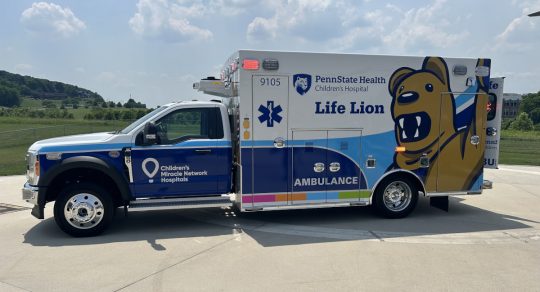
Residents complete a dedicated EMS rotation during the PGY-2 year, building upon the prehospital medicine exposure introduced during intern year. Working alongside Life Lion EMS, Penn State Health's nationally recognized ground and air critical care transport program, residents gain experience in prehospital care, critical care transport, emergency communications, and medical command. Additional EMS experiences throughout residency provide longitudinal exposure to the role of emergency physicians within regional EMS systems.

For residents interested in pursuing advanced training, the Department of Emergency Medicine sponsors an ACGME-accredited EMS Fellowship.

Trauma Surgery

As members of the trauma surgery team, residents participate in the evaluation, resuscitation, operative management, and ongoing care of injured patients. This rotation emphasizes trauma assessment, procedural competency, multidisciplinary teamwork, and the management of critically injured patients at a Level I Trauma Center.

PGY-2 Year Overview

The PGY-2 year builds upon the clinical foundation established during intern year while fostering increasing autonomy, leadership, and clinical decision-making. Residents continue to refine their emergency medicine skills while gaining additional experience in community emergency medicine, critical care, EMS, ultrasound, and individualized elective experiences. As residents assume greater responsibility for patient care, they also begin developing the teaching, supervisory, and leadership skills expected of senior emergency medicine residents.

Rotation Overview

  • Emergency Medicine/Pediatric Emergency Medicine – 9 blocks

  • Community Emergency Medicine– 1 Block

  • SAICU – 1 block

  • PICU– 1 block

  • Elective – 1 block

Emergency Medicine/Pediatric Emergency

Nine blocks are spent in the emergency department during the PGY-2 year. Residents focus on refining their clinical skills, increasing efficiency, managing higher-acuity patients, and developing the leadership abilities expected of a senior resident. Additional responsibilities include supervision and teaching of medical students and junior residents, participation in medical command activities, and management of trauma airways.

Community Emergency Medicine

Residents spend one block rotating at Penn State Health Holy Spirit Medical Center and Penn State Health Hampden Medical Center. These experiences expose residents to a community-based emergency medicine practice environment and patient population that differs from that of our tertiary and quaternary care academic medical center. Training across multiple clinical settings prepares residents to confidently practice emergency medicine in any environment.

Pediatric Intensive Care Unit

The Pediatric Intensive Care Unit rotation provides residents with advanced training in the evaluation and management of critically ill infants, children, and adolescents. Residents work alongside pediatric critical care specialists at Penn State Health Children's Hospital, caring for a broad range of medical and surgical conditions while strengthening their pediatric resuscitation and critical care skills.command, prehospital decision-making, and systems-based emergency care. This experience serves as the foundation for longitudinal EMS exposure throughout residency and complements the department's ACGME-accredited EMS Fellowship.

Surgical Anesthesia Intensive Care Unit

The Surgical Anesthesia Intensive Care Unit rotation expands residents' knowledge and skills in the care of critically ill surgical patients. Working alongside surgical and anesthesia critical care teams, residents gain experience in advanced resuscitation, ventilator management, hemodynamic monitoring, and the treatment of complex postoperative patients.

Elective

Residents are provided a dedicated four-week elective block to explore individual interests and career goals. Whether pursuing additional clinical experiences, exploring fellowship opportunities, participating in research or quality improvement projects, or developing expertise in a specific area of emergency medicine, residents have the flexibility to tailor the elective experience to their professional aspirations. A minimum of two weeks must be spent in a clinical elective experience.

PGY-3 Year Overview

The PGY-3 year serves as the capstone of residency training, focusing on the transition to independent practice. Residents function at the highest level of responsibility within the department, refining their clinical judgment, leadership abilities, and supervisory skills while preparing for their future careers in emergency medicine.

Rotation Schedule

  • Emergency Medicine/Pediatric Emergency – 10.5 blocks

  • Community Emergency Medicine – 1 block

  • Community Intensive Care Unit (Penn State Health Holy Spirit Medical Center) – 1 block

  • Interventional Pulmonology/Pediatric Anesthesiology – 2 weeks

Emergency Medicine/Pediatric Emergency

Residents spend 10.5 blocks in the emergency department during their final year of training. As senior residents, they lead patient care teams, supervise and teach junior residents and medical students, and manage complex and critically ill patients. Emphasis is placed on departmental flow, operational efficiency, patient safety, and the leadership skills necessary to effectively manage a busy emergency department. This experience prepares residents for the responsibilities of independent emergency medicine practice.

Community Emergency Medicine

Residents spend one block rotating at Penn State Health Holy Spirit Medical Center and Penn State Health Hampden Medical Center. These experiences expose residents to a community-based emergency medicine practice environment and patient population that differs from that of our tertiary and quaternary care academic medical center. Training across multiple clinical settings prepares residents to confidently practice emergency medicine in any environment while caring for patients with a broad range of medical, surgical, and traumatic conditions.

Community Intensive Care Unit

Residents complete a dedicated rotation in the Community Intensive Care Unit at Penn State Health Holy Spirit Medical Center. This experience further develops residents' skills in the evaluation, resuscitation, and management of critically ill patients within a community hospital setting. Exposure to a different patient population, practice environment, and spectrum of pathology broadens residents' critical care experience and prepares them to care for critically ill patients in a variety of healthcare settings.

Interventional Pulmonology and Pediatric Anesthesiology

During this two-week experience, residents gain advanced exposure to airway management and procedural techniques under the supervision of interventional pulmonology and pediatric anesthesiology faculty. Residents refine their skills in difficult airway management, advanced airway procedures, procedural sedation, and perioperative care while caring for both adult and pediatric patients. This unique experience further prepares residents to confidently manage complex airways encountered in emergency medicine practice.

How many shifts do I work in Emergency Medicine?

PGY1 - 20

PGY2 – 19

PGY3 – 18

How long is an ED shift?

While rotating at our PSH ED, all residents are currently scheduled for 9-hour long shifts (8-hour shifts with 1 hour overlap for signout).

A resident will not be scheduled to work more than 60 scheduled hours per week seeing patients in the emergency department, and no more than 72 total hours per week.

Who supervises residents?

In the ED, all residents are supervised by DEM Faculty.

What is the salary?

How many weeks of vacation do I get?

4 weeks of vacation annually.

What EMR does Penn State Heath use?

Currently we use Cerner, but will be transitioning to EPIC in Fall 2026.

Conference

Every Wednesday from 8 a.m. to 1 p.m., residents have protected time and will attend conference. Didactic material is provided in a variety of formats.

Fellowship

The department also sponsors an for those seeking to further their training as emergency physicians.

Research

Multiple opportunities for research exist depending on the resident's interest. Dedicated departmental support for resident research is available. Every resident is expected to complete a scholarly activity project during training.

Simulation

The Emergency Medicine Residency incorporates three or more hours of simulation into almost every month of the conference schedule. Residents also have independent access to the ; some areas are open 24/7.

Come Live in Hershey, Pa.

Why Live in Hershey?

Hershey offers the perfect balance of academic medicine and quality of life. Residents enjoy an affordable cost of living, excellent schools, safe neighborhoods, and a welcoming community that makes it easy to feel at home. Whether you're looking for a vibrant downtown, family-friendly activities, outdoor recreation, or a short commute, Central Pennsylvania has something for everyone.

Located just minutes from Harrisburg and within easy driving distance of Philadelphia, Baltimore, Washington, D.C., and New York City, Hershey provides convenient access to major metropolitan areas while maintaining the charm and pace of a close-knit community.

Outside the hospital, residents enjoy hiking and biking trails, state parks, local restaurants and breweries, professional hockey with the Hershey Bears, concerts and entertainment, and world-famous attractions such as Hersheypark.

At Penn State Health, you'll train in a nationally recognized academic medical center while enjoying the benefits of living in one of Pennsylvania's most desirable communities—a place where residents can thrive both professionally and personally.

Living in Hershey

Supporting Your Training

Resources from the Office of Graduate Medical Education, the Penn State Pediatric Residency Program, along with links to what's here in Hershey, PA below.

Resident Honors and Recognitions

Penn State College of Medicine and Penn State Health Milton S. Hershey Medical Center accept ongoing nominations for the .

The award, given monthly by the Office for a Respectful Learning Environment, accepts nominations from College of Medicine students who are invited to submit narratives about faculty members, residents, fellows, nurses or any other educators who challenge them and provide an exceptional learning experience.

Previous nominees from the Emergency Medicine Residency are listed here.

The annual Resident/Fellow Research Day is held each year (with exception of during the COVID-19 pandemic) on and around the Penn State Health Milton S. Hershey Medical Center campus.

The intent of the event is to provide an opportunity for residents and fellows to showcase their research accomplishments to their peers in other clinical departments, as well as their colleagues in the basic sciences.

.

Previous presentations from the Emergency Medicine Residency are listed here.

News from Emergency Medicine